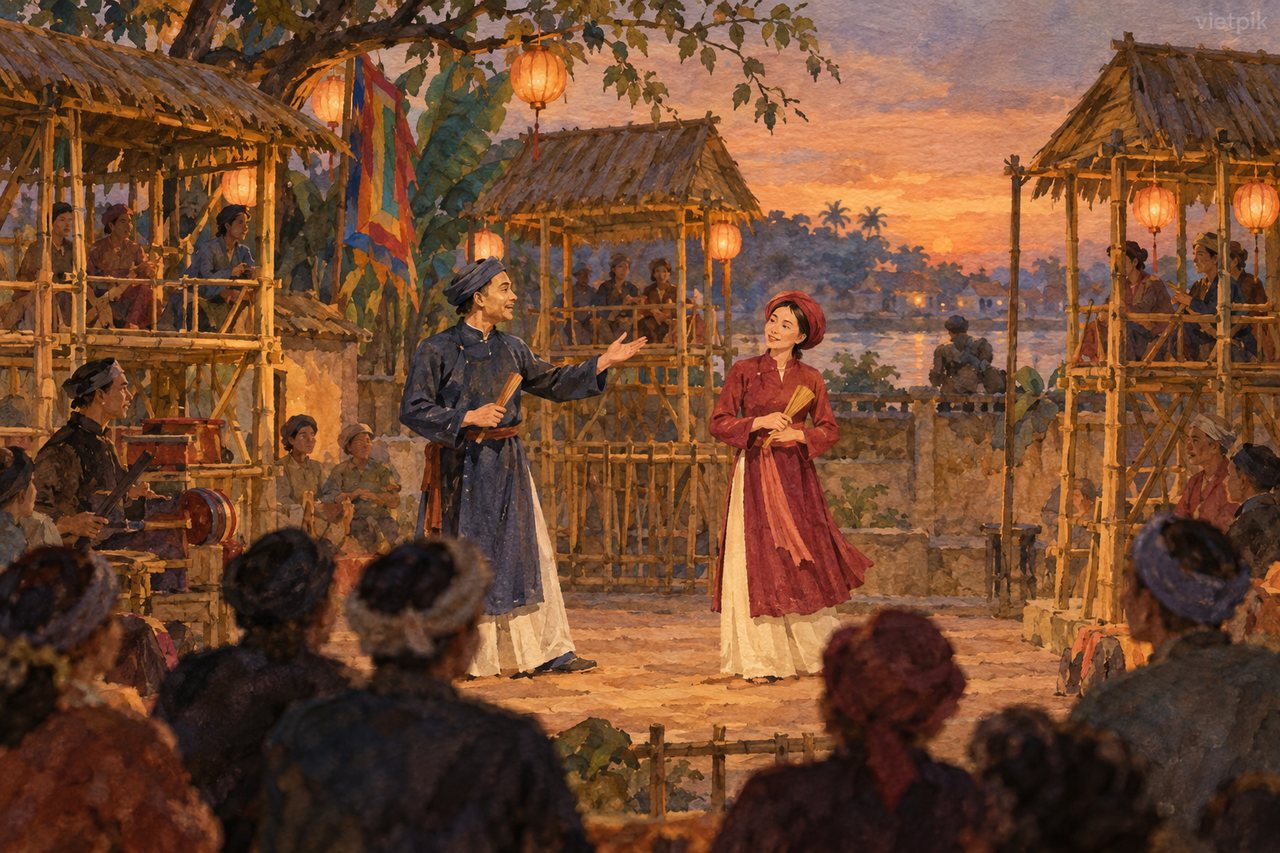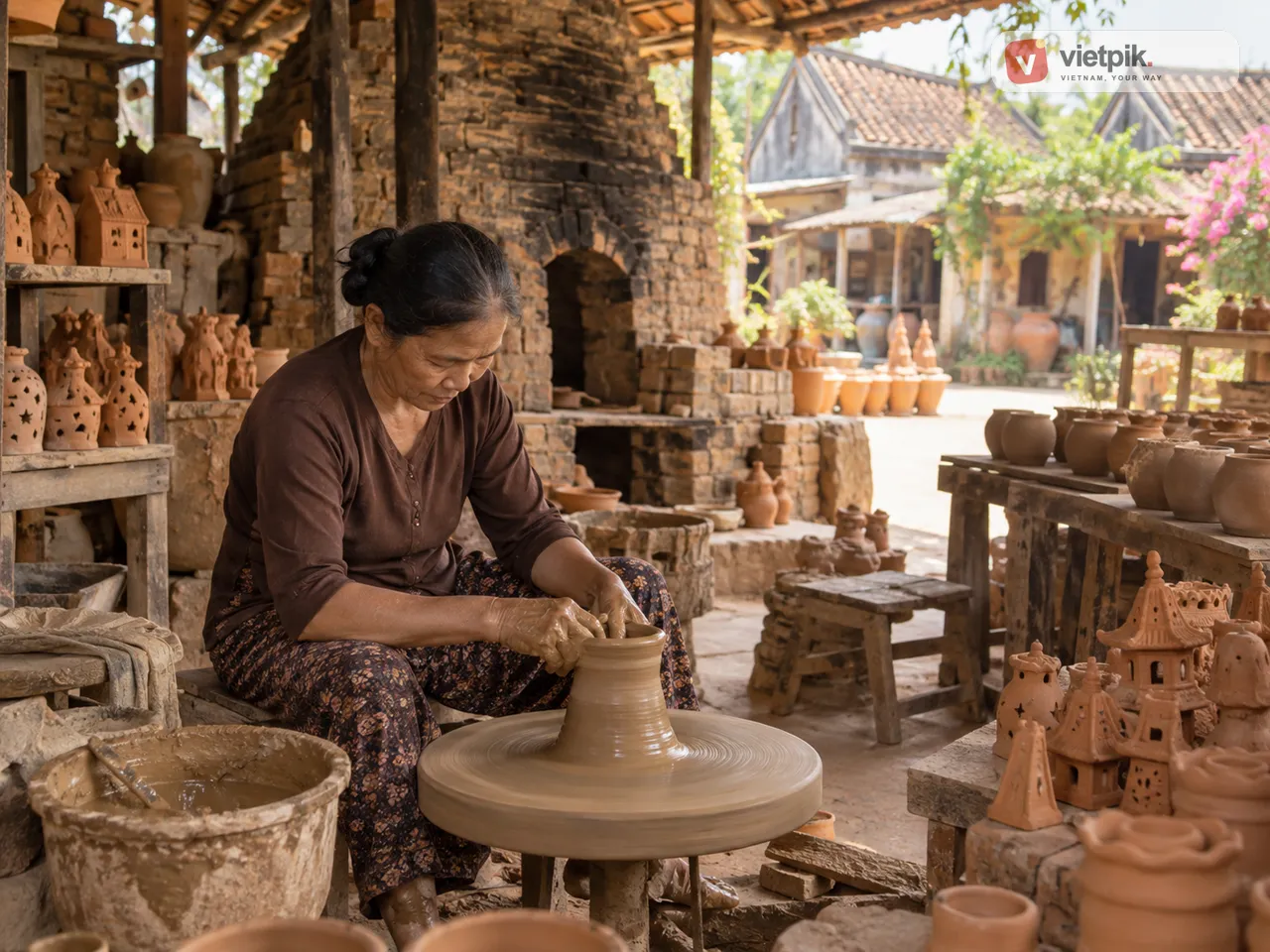
Vietnam rewards travellers who notice how a place works before deciding what it should provide. Visit Vietnamese craft communities with curiosity about materials, labour and heritage, while respecting workshops, makers and honest provenance. This guide is designed for independent planning rather than a fixed tour: it explains the choices that shape the day, the customs that deserve attention, and the moments when flexibility is more useful than another booking. Details such as schedules, prices, access and weather can change, so verify anything time-sensitive with an official source or the responsible operator close to the visit. The goal is a journey that feels confident without becoming rigid, curious without becoming intrusive, and memorable without asking local people to perform for the camera.
Choose process over the souvenir stop
A meaningful craft visit explains how local materials, tools and markets shape the work. The shop is one part of the story, not the whole purpose. Treat this part of the visit as a practice rather than a rule to perform perfectly. Local conditions, personal boundaries and the purpose of a place can change the right choice. The useful habit is to pause, look for signs, listen to the people responsible for the space and adjust without defensiveness. That approach produces better conversations and more accurate memories than arriving with a script. It also keeps a travel tip from becoming a stereotype: what happens in one household, workshop or neighbourhood should not be presented as universal Vietnamese behaviour.
- Try this: Look for demonstrations led by working makers or community guides.
- Keep in mind: Do not assume a roadside showroom represents every workshop nearby.
Ask before entering the workspace
Kilns, blades, dyes, looms and drying areas can be hazardous or easily disturbed. A workshop remains a workplace even when visitors are welcome. A practical way to use this advice is to decide what must be confirmed, what can remain flexible and what deserves permission. Confirm logistics that could close the day, keep ordinary choices open, and ask whenever your action affects another person, workplace or sacred space. Patience is not lost time. It creates enough attention to notice context, recover from a misunderstanding and make a safer choice when weather, crowds or energy differ from the plan.
- Try this: Wait for a maker to show where to stand.
- Keep in mind: Do not touch tools, wet clay, fabric or unfinished objects without invitation.
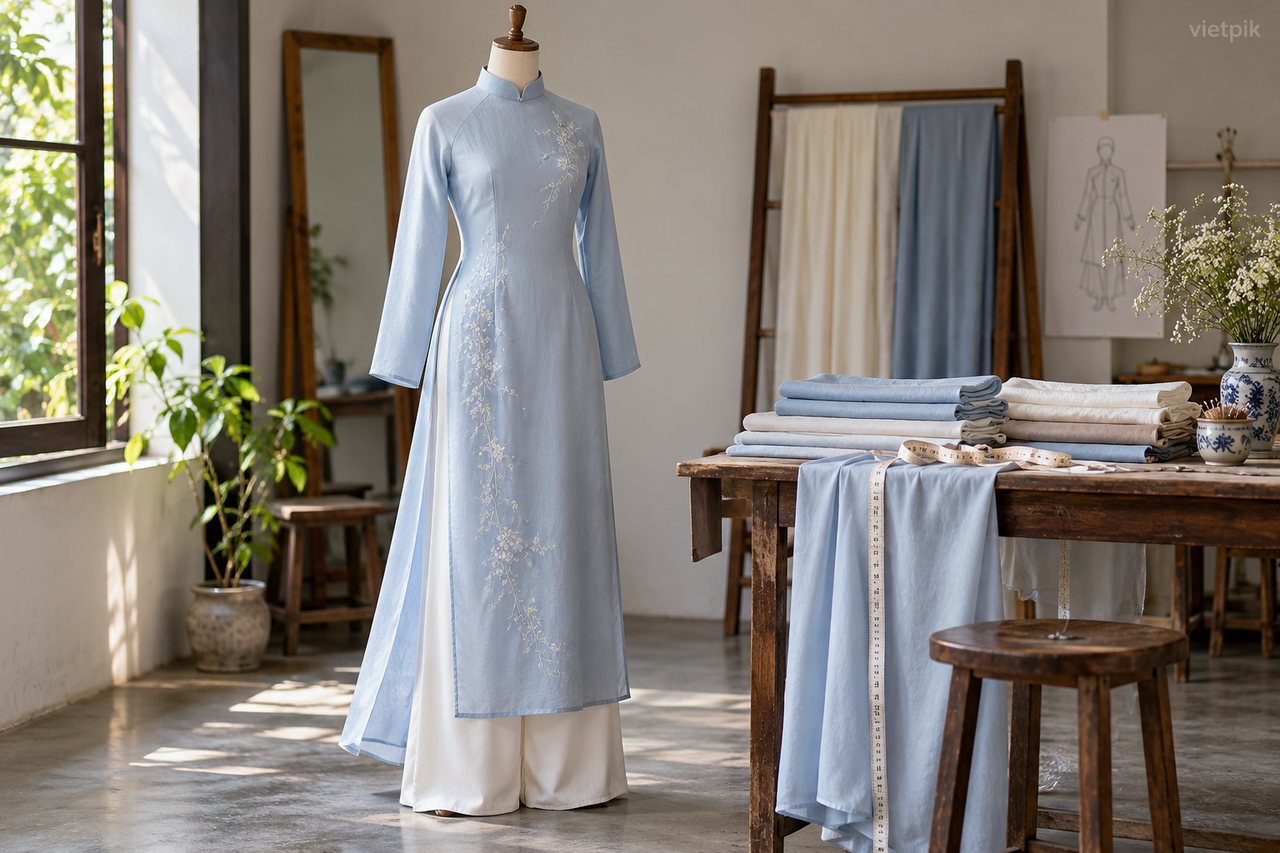
Pay attention to labour
Repetition can make skilled work look effortless. Asking how long a stage takes and what can go wrong reveals value more honestly than searching only for the lowest price. Good travel planning separates observation from assumption. Record the name of the place, the time and what a host, sign or official source actually said. If you later share the experience, describe that specific moment instead of turning it into a broad claim. This editorial discipline improves courtesy and usefulness: precise detail answers a reader’s real question, while exaggerated rankings and copied folklore create noise. Keep prices and schedules out unless they have been checked recently, because both can change.
- Try this: Let the maker finish a delicate step before asking questions.
- Keep in mind: Avoid describing handwork as easy or demanding a rushed custom piece.
Separate tradition from frozen nostalgia
Craft changes with materials, customers and design. Contemporary work can be rooted in tradition without copying an old form exactly. Comfort and respect usually reinforce each other. A lighter bag, realistic timing and clear questions make it easier to follow local guidance. They also leave capacity for the unscheduled parts of the day: a conversation, a weather delay, a longer meal or the decision to leave a crowded space. When in doubt, choose the option that gives residents room to continue their routines. Travel becomes more rewarding when access is treated as hospitality rather than entitlement.
- Try this: Ask which elements are inherited and which are new.
- Keep in mind: Do not dismiss innovation because it does not match a tourist image.

Buy with provenance and practicality
A useful purchase should have a clear maker or workshop, understandable material and safe way to travel. Documentation matters for valuable or regulated items. Use this guide as a starting framework, then verify details that depend on season, operator or personal needs. Save official contacts, keep an offline copy of the address and tell a companion when a remote plan changes. For cultural questions, a calm request is better than pretending to know. For safety decisions, current local instructions outrank a saved itinerary. These habits are deliberately simple because they still work when language, weather or energy makes the day more complicated than expected.
- Try this: Record care instructions and the maker’s name.
- Keep in mind: Avoid antiques, wildlife materials or cultural objects with unclear legal origin.
Share the story accurately
When posting, credit the workshop and describe only what was explained or observed. Good storytelling can support makers without turning them into anonymous scenery. The final check is whether the plan remains kind to the people doing the work. Drivers, vendors, craftspeople, guides and hosts should not have to absorb unrealistic timing or become scenery for a checklist. Pay agreed prices, communicate changes early and credit public work accurately. If something goes wrong, solve it quietly without causing public embarrassment. You can be clear about a problem while still protecting everyone’s dignity and giving the responsible person a chance to respond.
- Try this: Ask how the maker wants the name written.
- Keep in mind: Do not reveal a private workshop address or family information without consent.
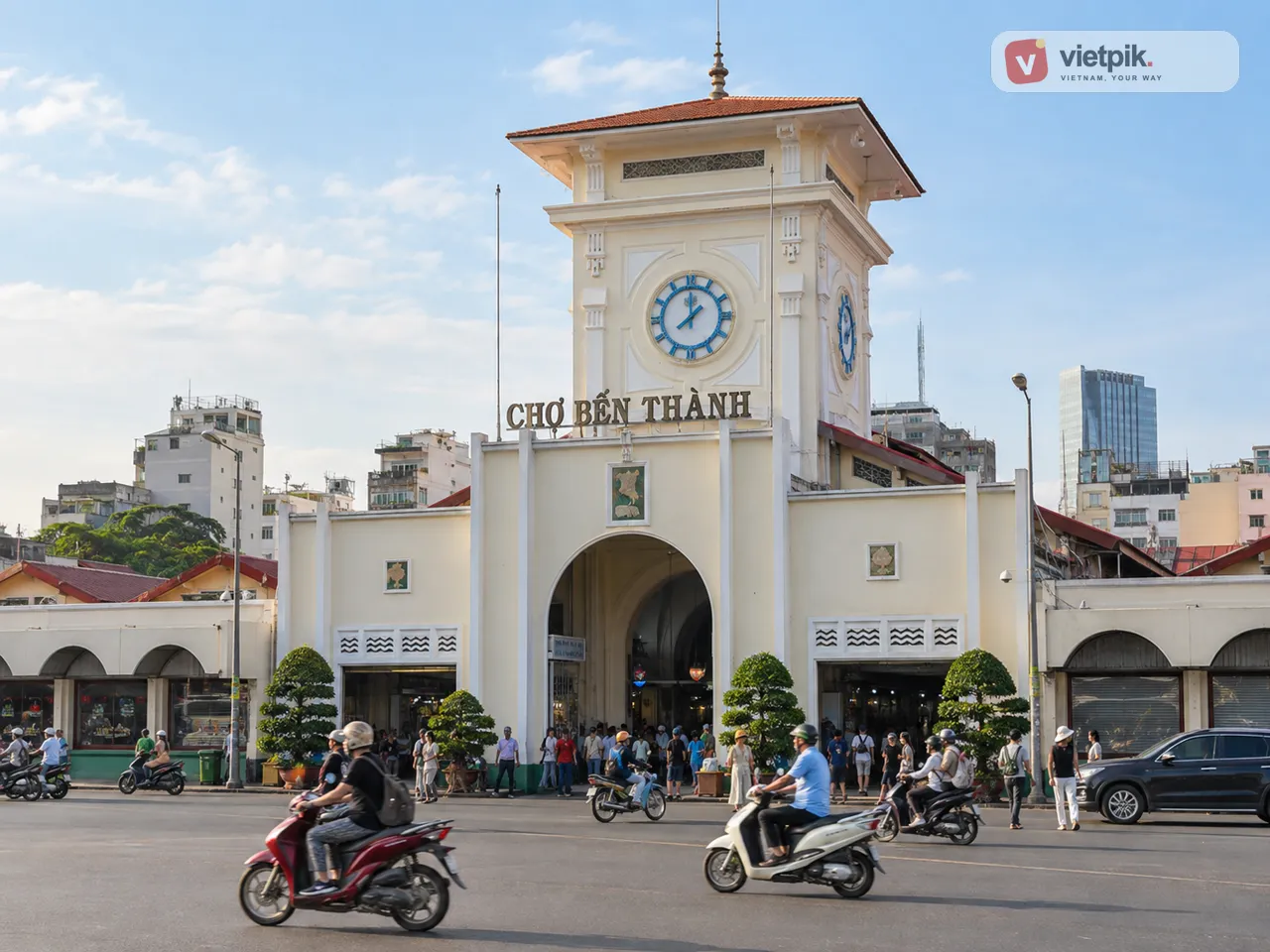
A simple way to use this guide
Accessibility, health and comfort needs vary, so adapt every suggestion to the people travelling. Ask providers direct questions about steps, seating, toilets, food preparation, vehicle access or walking distance before paying. If an answer is uncertain, choose a plan with more margin. No cultural expectation requires a visitor to ignore a medical need or unsafe condition. Courtesy includes being honest early enough for another person to help or say that an arrangement is not possible.
A strong itinerary leaves an exit route. Know how to return, keep enough battery and money for an alternative, and avoid making the final connection dependent on perfect conditions. This is especially important when a visit involves boats, mountains, festivals or weather-sensitive roads. Flexibility does not mean refusing to book anything; it means protecting the few commitments that matter and allowing the rest of the day to respond to reality. That balance is what makes a plan feel both prepared and alive.
Food, transport and opening hours are easiest to handle when questions are specific. Ask what is included, where a meeting point is, how long the complete journey takes and which part may change. Write down the answer instead of relying on memory across a busy day. If a price is unknown or a schedule is not confirmed, leave it open rather than filling the gap with an estimate. Honest uncertainty is more useful than false precision and gives the responsible operator room to provide a current answer.
Cultural confidence grows through small respectful actions: greeting people before making a request, using both hands when an exchange feels formal, keeping voices calm and accepting correction without embarrassment. None of these gestures requires a visitor to imitate a ceremony or claim insider status. The point is attentiveness. When language is limited, a smile, a clear question and patient body language usually communicate more goodwill than a memorized performance that ignores the situation in front of you.
Photography deserves its own decision rather than being the automatic next step after arrival. First understand what the space is for, then check signs and ask before making a person the subject. Keep paths and work areas open, avoid flash around worship or delicate interiors, and put the camera away when somebody appears uncomfortable. A smaller set of well-observed photographs often tells a richer story than hundreds of images made while the actual visit passed unnoticed.
Responsible spending is practical rather than performative. Choose services that explain what they provide, pay the agreed amount, and direct questions or complaints to someone able to respond. Buying locally can support a neighbourhood, but a purchase never creates permission to enter private space, direct a worker or photograph a child. The most respectful exchange leaves both sides clear about the transaction and free to continue the relationship—or end it—without pressure.
Before the day begins, save the address in Vietnamese, a map pin and one alternative nearby. Carry only what you can manage comfortably, keep essential documents secure and tell someone you trust about remote plans. These details are not glamorous, yet they create the calm needed to pay attention. A traveller who is not constantly recovering from preventable friction has more patience for language differences, queues and changed conditions. Review the next day each evening and move the flexible pieces first.