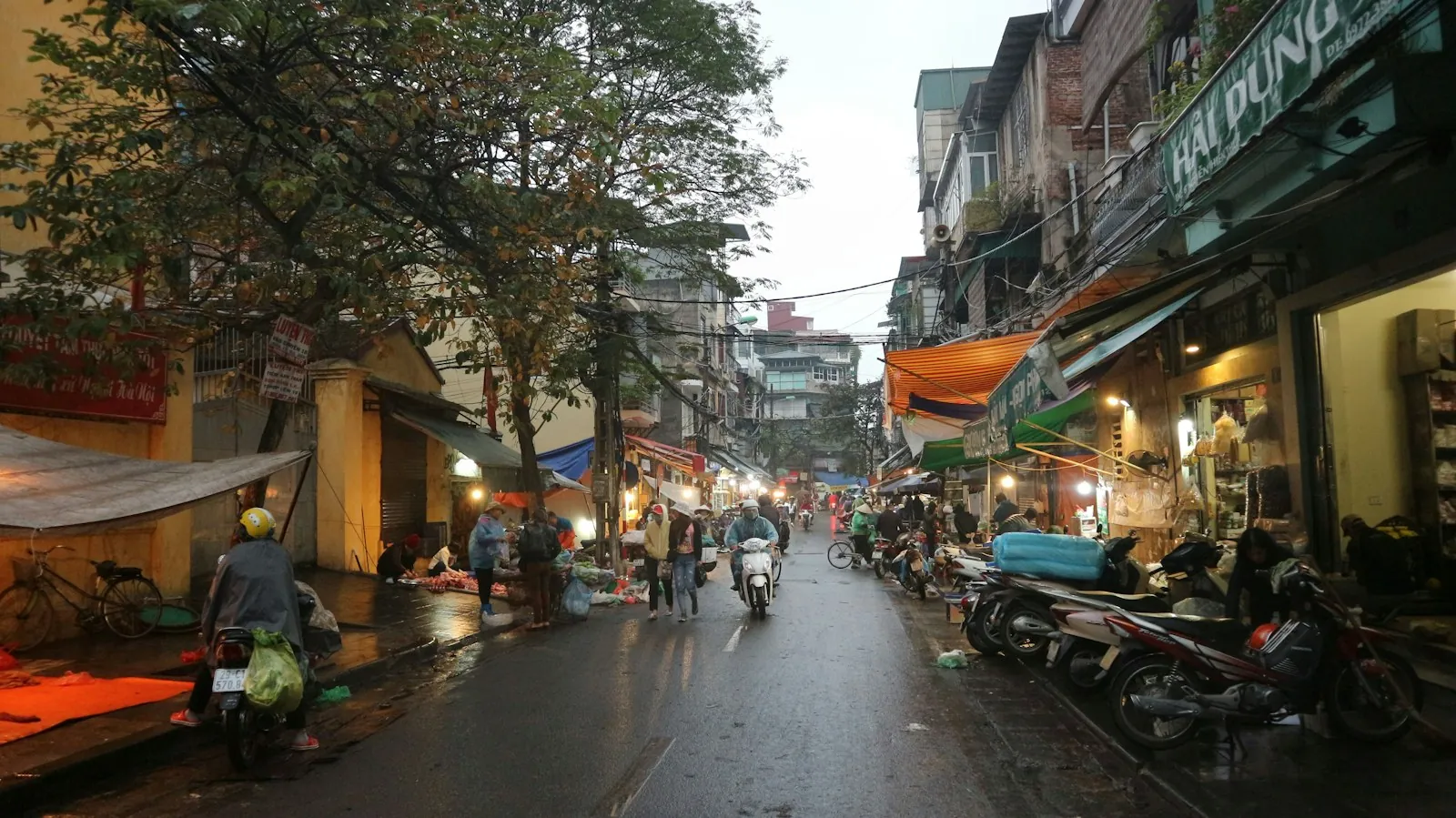
A spring festival in the middle of Hanoi can change how a visitor reads the city. At Đống Đa, the gathering is tied to remembrance: a historical victory is brought into the present through commemoration and community participation. The setting makes it possible to connect a cultural visit with an ordinary day in the capital, but convenience should not make the subject feel small. Pause before treating the ceremony as entertainment. Find out who is being honoured and why the date matters, then watch the public activities with that context in mind. For travellers interested in Vietnam’s history, the festival offers a starting point for questions that continue beyond the event. For others, it is a chance to see how remembrance becomes part of a city’s seasonal rhythm rather than remaining only on the pages of a textbook.
History & story
The festival commemorates the Ngọc Hồi–Đống Đa victory of 1789 and honours Quang Trung–Nguyễn Huệ together with the Tây Sơn forces. Unlike a story centred on a mythical hero, its foundation is a historical event. Even so, a staged performance is an interpretation of history rather than direct evidence of exactly how a battle unfolded. Read a reliable introduction before arriving and distinguish the commemorative language of a speech from a detailed historical account. That preparation lets you understand the emotional weight of the gathering without mistaking theatrical choices for documented fact.
A commemoration rooted in a historical event
The festival commemorates the Ngọc Hồi–Đống Đa victory of 1789 and honours Quang Trung–Nguyễn Huệ together with the Tây Sơn forces. Unlike a story centred on a mythical hero, its foundation is a historical event. Even so, a staged performance is an interpretation of history rather than direct evidence of exactly how a battle unfolded. Read a reliable introduction before arriving and distinguish the commemorative language of a speech from a detailed historical account. That preparation lets you understand the emotional weight of the gathering without mistaking theatrical choices for documented fact.
Ritual and public celebration serve different purposes
Official reports describe both commemorative rites and cultural or sporting activities in recent editions. A visitor should keep those parts distinct. During remembrance, give attention to the purpose of the ceremony and the people taking part. During public activities, follow the arrangements for viewing and participation. Programmes can change: what appeared in a 2024 or 2026 report is evidence of that edition, not a promise for 2027. The festival’s appeal does not depend on copying a previous production; its meaning rests on the act of returning to remember.
2027: Wednesday, 10 February is the traditional main day
The recurring main day is the fifth day of the first lunar month. In the Vietnamese calendar for 2027, this is 10 February. The date is a traditional-calendar planning anchor, not confirmation of a 2027 opening time. Recent official reports demonstrate why the wider duration needs separate checking: the 2024 edition ran across three lunar days, while the 2026 announcement specified two. This article therefore leaves the complete 2027 programme and closing date unconfirmed instead of carrying an old schedule forward automatically.
Build a city day around one clear cultural focus
Choose a visiting window after the programme is published, then place lunch and a quieter activity nearby. Keep travel time separate from the period you want to spend watching the ceremony. If the confirmed event is in the evening, reconsider the entire day’s pace rather than adding it after an exhausting itinerary. A museum visit on another day can provide historical context without forcing everything into one schedule. The aim is to leave enough attention for the commemoration itself.
A good place to stand is part of a good visit
Follow the event’s public access arrangements and keep ceremonial paths clear. If you need to leave early, choose a viewing position from which you can move without disturbing a seated audience. Take photographs briefly and avoid holding a screen in front of another person for an extended period. A close view is not always the most informative view: a little distance may make the sequence and the relationships between participants easier to understand. Let the organisers determine where spectators belong.
Keep costs and services separate from the ceremony
No 2027 ticket or transport tariff is verified in this article. Check whether the activity you choose requires a ticket or registration and record that separately from parking, transport, food and optional guiding. A nearby café or meal can give the group a place to discuss what it has seen. If you hire a guide, ask for clear source attribution when historical questions arise. Avoid choosing an explanation solely because it sounds dramatic; precision can make the story more compelling, not less.
What to carry into the rest of your Hanoi trip
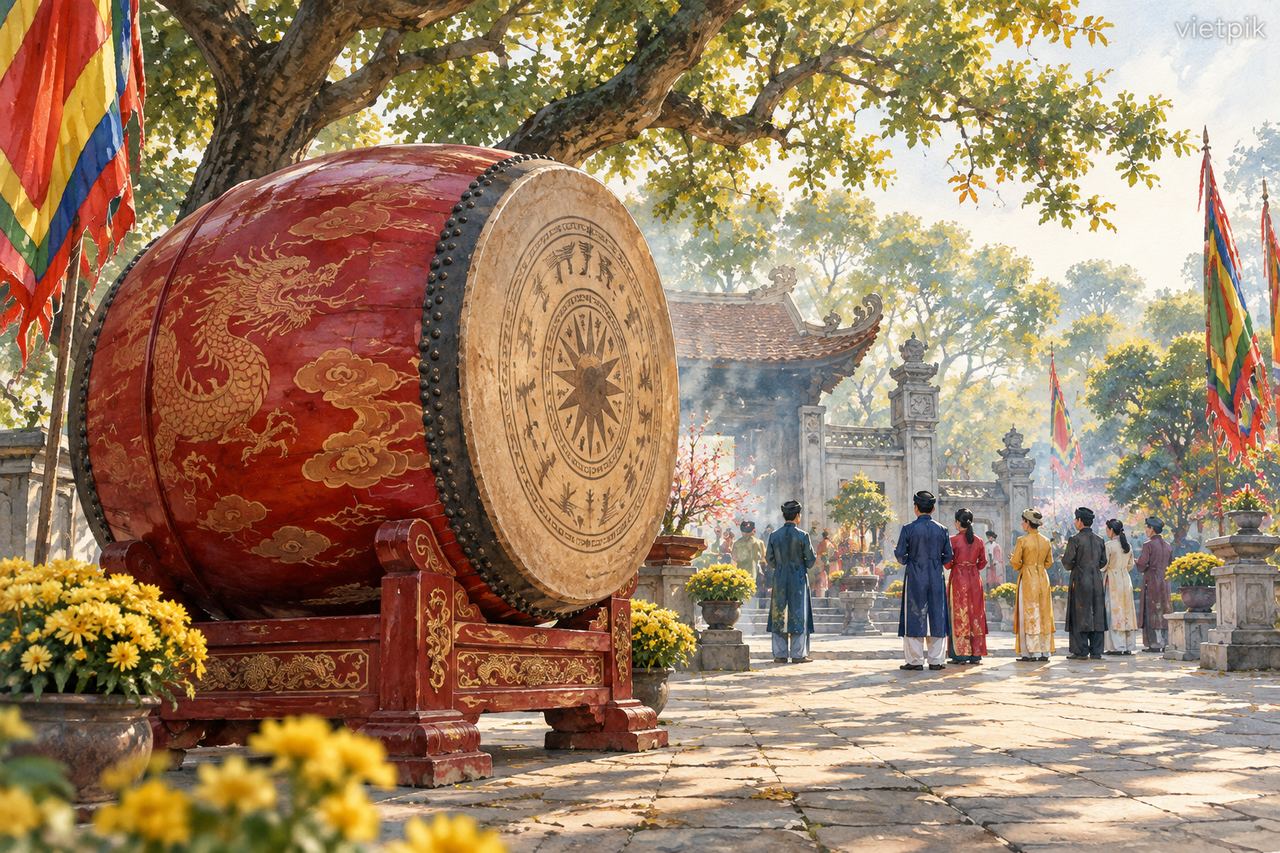
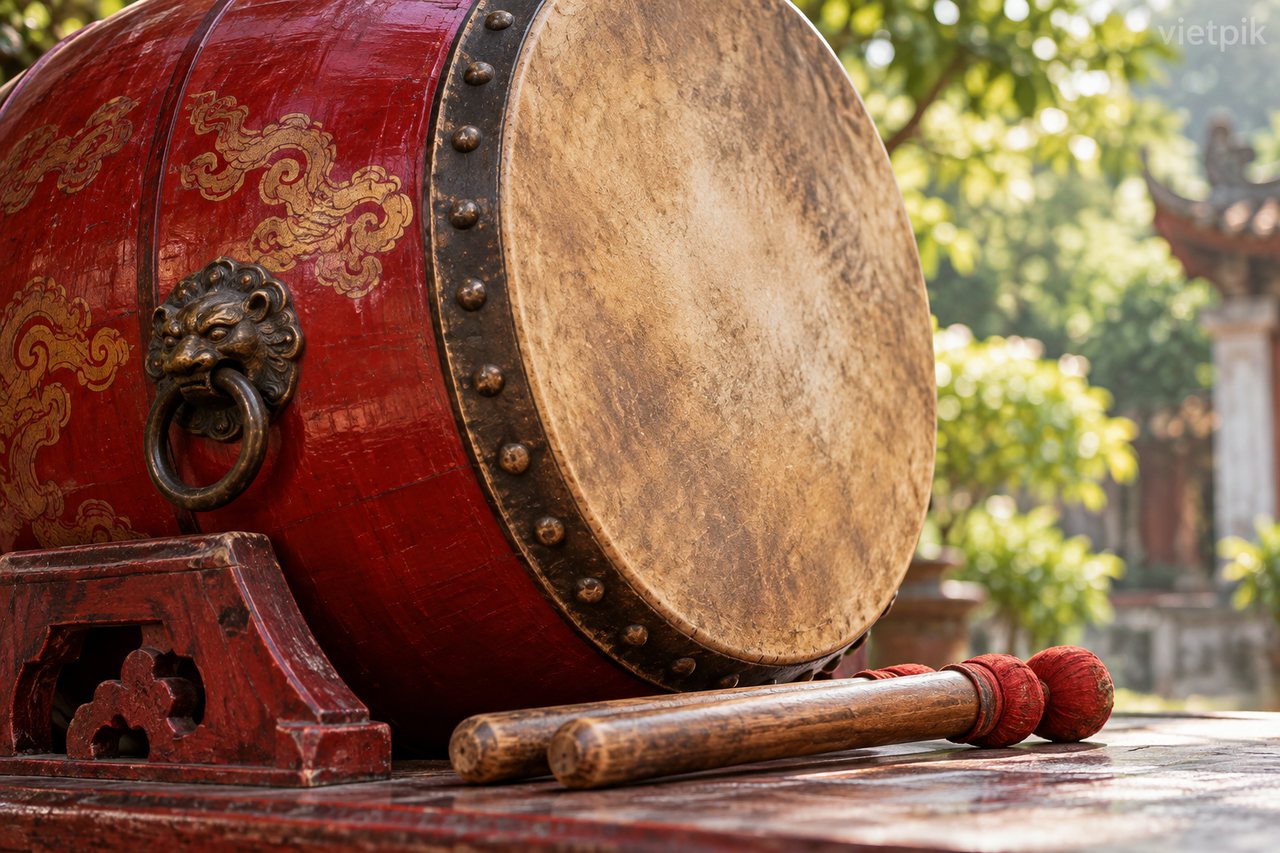
Use the visit to connect names and dates with places in the city, then note what you want to read next. A useful review distinguishes the historical subject, the specific edition and your own experience of access or organisation. The drum illustrations in this story are editorial illustrations. They do not show the 2027 stage, an original eighteenth-century object or a historically verified battle scene. Their role is to support reading, while the sources and the actual event programme carry factual claims.
Original Vietpik editorial. Food photographs illustrate dishes and do not represent a specific restaurant unless stated.
sovhtt.hanoi.gov.vn hanoi.gov.vn sovhtt.hanoi.gov.vn amlich.net.vn Last updated: 2026-09-28