The most rewarding way to enter Lim Festival is to arrive ready to listen. A melody passes between singers, a response changes its meaning, and the people around you become part of the exchange. For a visitor used to concerts with a beginning, an assigned seat and a final applause, that social setting is the real discovery. Lim invites you into the cultural landscape of Kinh Bắc, where music belongs to relationships as well as performance. Give the festival a generous place in your itinerary. A few photographs of beautiful hats cannot tell you as much as staying for a complete exchange and noticing how performers welcome one another.
History & story
Lim is more than a convenient stage for folk music. The provincial account of its history describes a festival tradition shaped by village religious life and later changes in the timing and organisation of the gathering. Its present annual spring form should not be projected unchanged into every century. That distinction makes the place more interesting: heritage survives through the work of communities, including decisions about when to meet and how to welcome guests. When you read a festival introduction, look for the village context as well as the headline performance. Both belong to the story of Lim.
A village festival with its own history
Lim is more than a convenient stage for folk music. The provincial account of its history describes a festival tradition shaped by village religious life and later changes in the timing and organisation of the gathering. Its present annual spring form should not be projected unchanged into every century. That distinction makes the place more interesting: heritage survives through the work of communities, including decisions about when to meet and how to welcome guests. When you read a festival introduction, look for the village context as well as the headline performance. Both belong to the story of Lim.
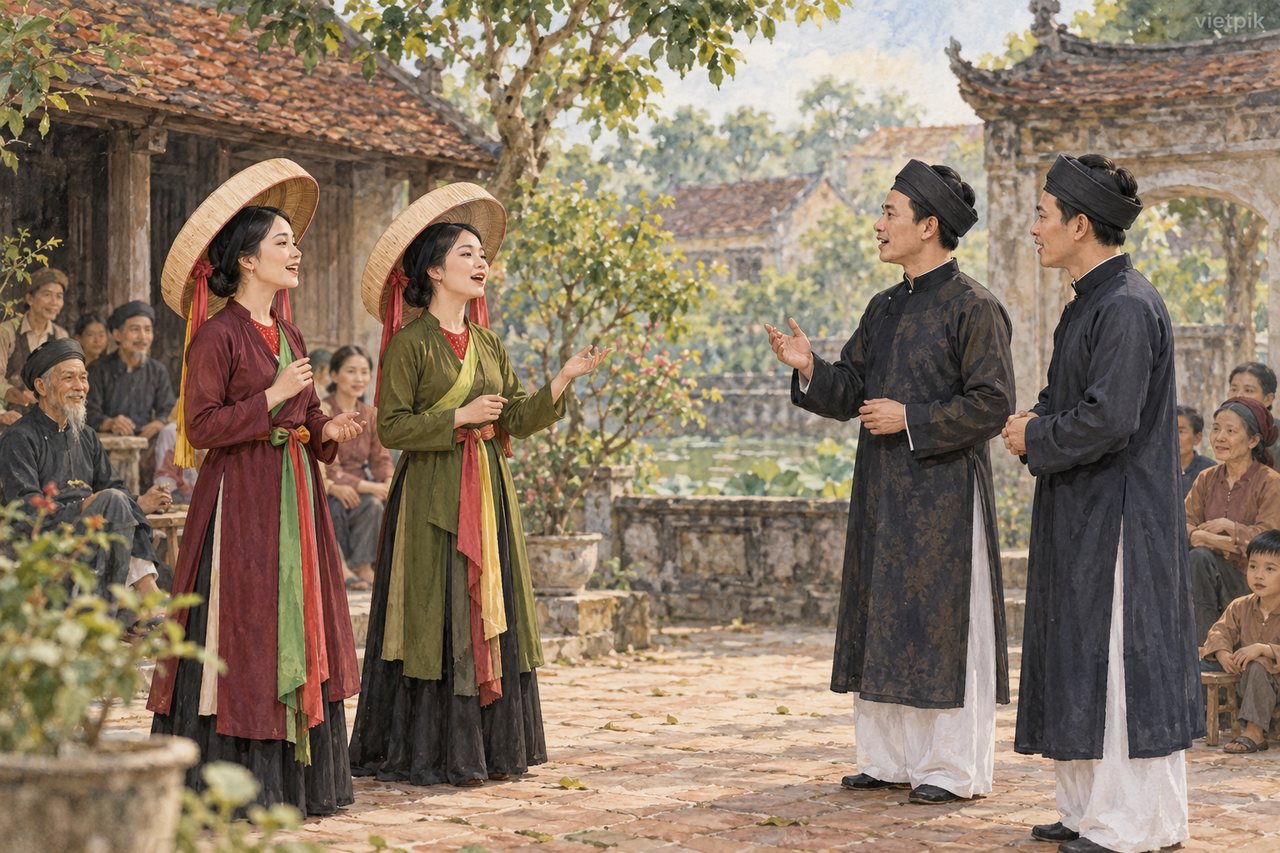
What to listen for in Quan họ
UNESCO describes Quan họ through alternating singing between female and male groups from different villages, with related melodies and responding words. The recognised heritage is the singing tradition; it is not a blanket UNESCO designation for every event advertised at Lim. For a first encounter, listen for the answer rather than trying to understand every word. Notice the shared pacing and the space left for another voice. A guide who can explain a short passage after the singing is often more useful than a running translation that talks over the performers.
The 2027 planning dates
The customary festival dates used here are the twelfth and thirteenth days of the first Vietnamese lunar month. In 2027 they correspond to 17–18 February. These are planning projections, not a confirmed timetable. The 2026 cultural authority report supports the annual lunar pattern, but it cannot confirm the following year's stages, village venues or opening ceremony. If hearing a particular form of singing is your main reason for travelling, check that programme before committing to a tight day trip. Keep the two dates in your notes with the label “awaiting official programme”.
Build a day around listening
Start with one confirmed singing location and leave room to stay longer than expected. Before entering the busiest area, agree on a meeting point with your companions and save the return pickup location. Make lunch a separate pause rather than something you try to squeeze between every performance. If the programme includes several village settings, choose one additional stop with a clear reason to go. Moving constantly can turn a musical visit into a sequence of traffic problems. The aim is to come home remembering a musical exchange, not simply the number of venues reached.
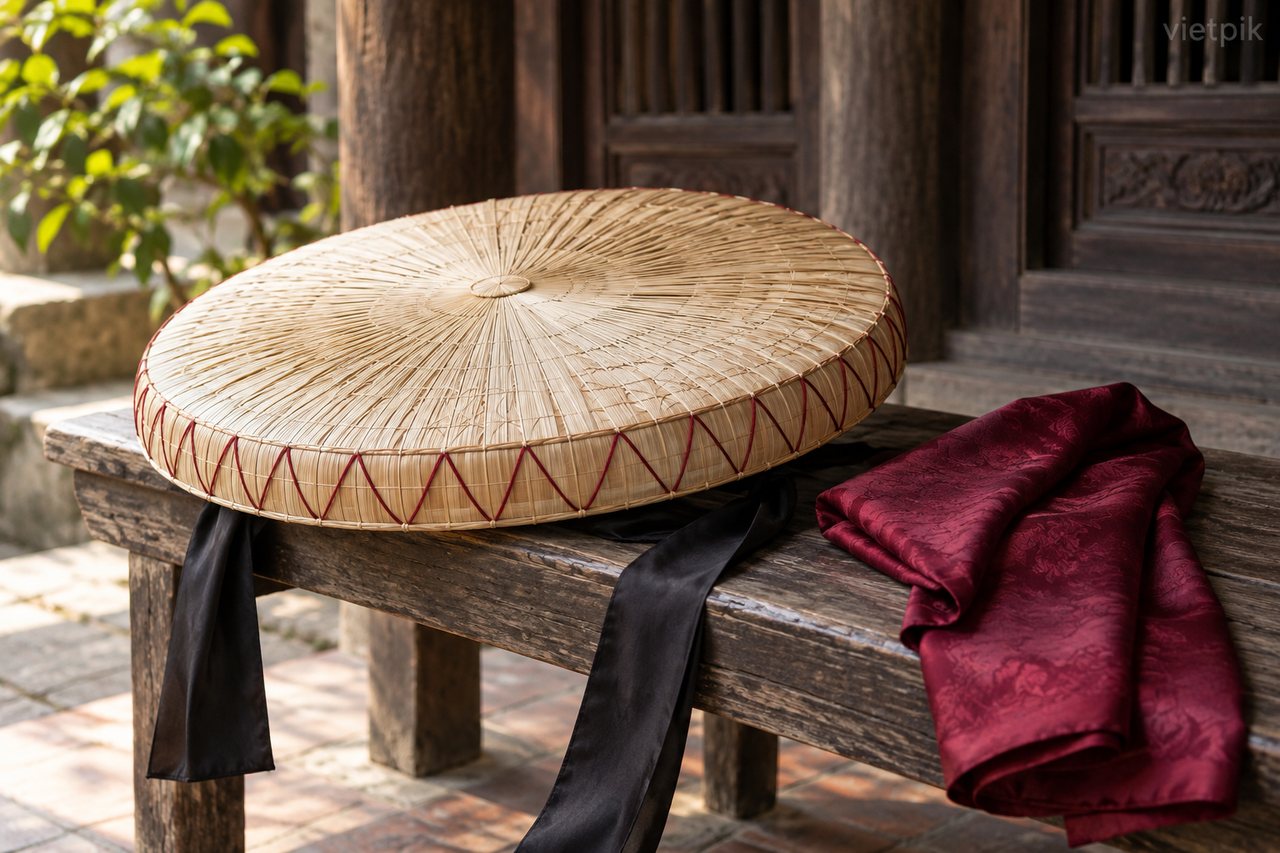
A budget that reflects your choices
Separate transport, meals, refreshments and any guide service in your budget. For a hired vehicle, ask whether the quote includes waiting time, parking and a return journey after the performance you want to hear. Do not assume a public festival means every activity or service is free. Equally, do not treat buying an elaborate costume or a large souvenir as a necessary part of participation. Keep a small optional spending allowance, then decide on the spot. This gives you freedom to support something you actually value instead of spending simply because the day feels festive.
Be a welcome listener
Ask before making a close portrait, especially if a performer is resting or speaking with family. Stand where you do not obstruct the exchange, keep a phone below other visitors' sightlines and avoid requesting a song as though every gathering were a private show. If invited into a smaller setting, follow the host's guidance about shoes, seating and recording. A courteous question is more useful than pretending to know the rules. Visitors do not need to perform cultural expertise; patience, attention and a willingness to let the hosts lead are a strong beginning.
Carry a little Kinh Bắc home
After the visit, write down the name of a melody, a question you still have and the name of a person or group who agreed to be credited. Those details will make a travel diary richer than a generic claim that the festival was “authentic”. If you buy a craft or food gift, ask where it was made rather than assuming everything on sale is local. The illustrations in this article are AI-created interpretations of singing and costume details, not documentary photographs of Lim. Let them invite curiosity; let the people you meet supply the real experience.
Original Vietpik editorial. Food photographs illustrate dishes and do not represent a specific restaurant unless stated.
svhttdl.bacninh.gov.vn bacninh.gov.vn ich.unesco.org baonghean.vn Last updated: 2026-09-28