At Suối Mỡ, the landscape is part of the reason a cultural story takes hold. Water moving through a green setting gives visitors a tangible starting point for a tradition centred on gratitude and the conditions that sustain life. A thoughtful festival visit can bring those two ways of seeing together: enjoying a place and asking why it is revered. Resist the temptation to make the day only about a scenic photograph or only about reaching every shrine. Leave enough room for a local explanation, an appropriate walk and a quiet pause. The strongest memory may come from the connection between them.
History & story
Local accounts connect Suối Mỡ with the legend of princess Quế Mỵ Nương and her help in bringing water to the people. The festival expresses gratitude to the figure worshipped locally as a Mother Goddess associated with the forest. This is a living religious narrative, not a verified account of a supernatural hydrological event. Presenting it as a legend allows visitors to engage with its meaning without confusing belief and historical proof. Ask how the story is told here, which places it connects and what participants consider important in the act of giving thanks.
The story carried by the stream
Local accounts connect Suối Mỡ with the legend of princess Quế Mỵ Nương and her help in bringing water to the people. The festival expresses gratitude to the figure worshipped locally as a Mother Goddess associated with the forest. This is a living religious narrative, not a verified account of a supernatural hydrological event. Presenting it as a legend allows visitors to engage with its meaning without confusing belief and historical proof. Ask how the story is told here, which places it connects and what participants consider important in the act of giving thanks.
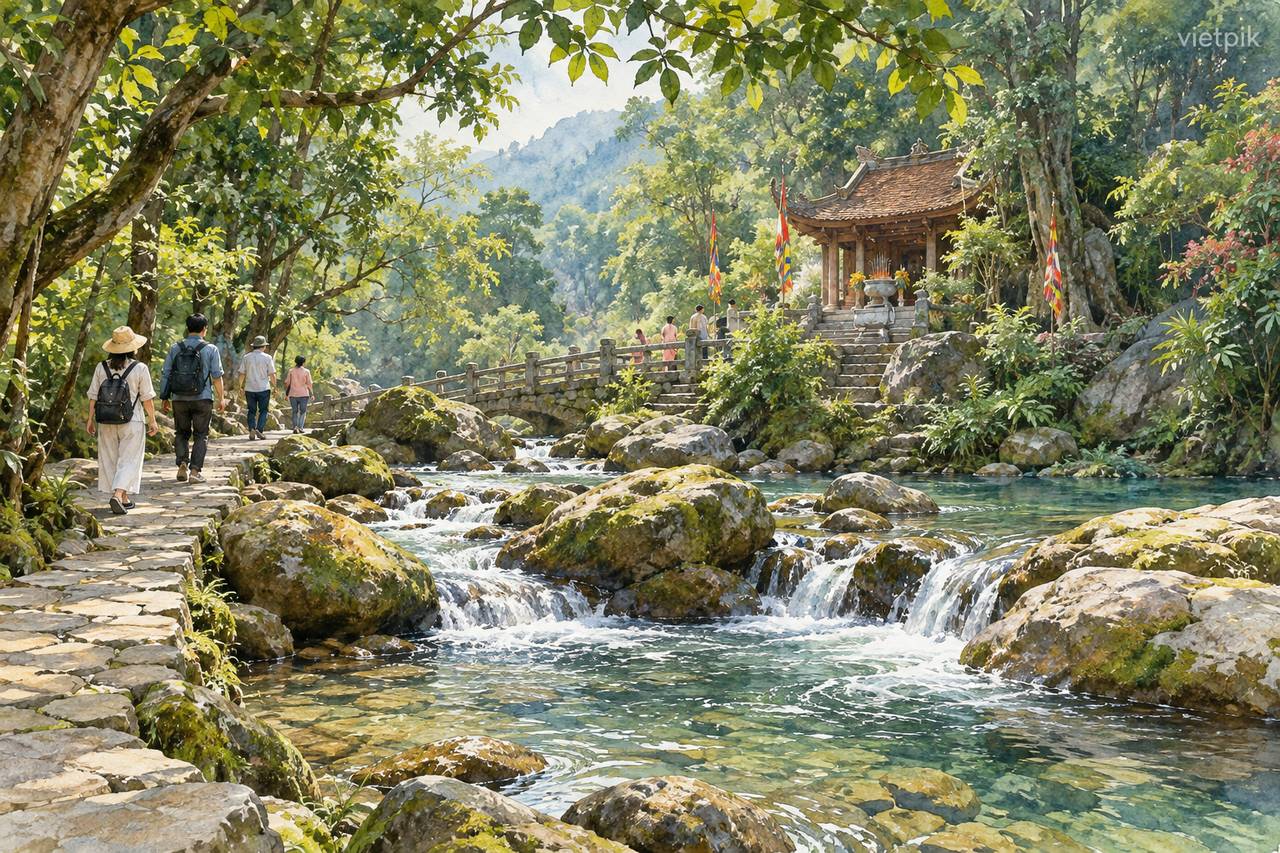
A festival across a cultural landscape
The regional reports describe a festival centred on the Suối Mỡ temples and identify the traditional period around the end of the third lunar month and the beginning of the fourth. Different accounts use different endpoints, while the site's 2026 listing gives an expanded programme through the second day of the fourth month. These descriptions show why the festival should be understood as more than a single photo location. They also show why a visitor needs an annual announcement to know which ceremony occurs where. Do not turn a general description of the landscape into a guaranteed procession route.
The important calendar exception in 2027
A simple automatic conversion would be misleading here. The customary date “30th day of the third lunar month” does not exist in the Vietnamese lunar calendar for 2027: that month has only 29 days. The first day of the fourth month is 6 May 2027 and can be saved as a reference milestone, but it is not a confirmed opening date. This guide does not substitute 29/3 or 1/4 for the missing day. The organisers must determine the actual programme. Wait for that announcement before arranging a trip whose sole purpose is a particular ceremony.
Choose a cultural visit, then an appropriate walk
Begin with the temple or public festival activity confirmed for your date, and ask which walking routes are currently open. Treat a scenic extension as optional rather than a required achievement. Conditions near water can differ from those on a dry approach path, so choose footwear and a route suited to the group. A family with an older companion may prefer a short visit and a comfortable meal; a more active group can ask about a longer permitted route. Both can be satisfying if the decision is based on current conditions rather than an attractive photograph.
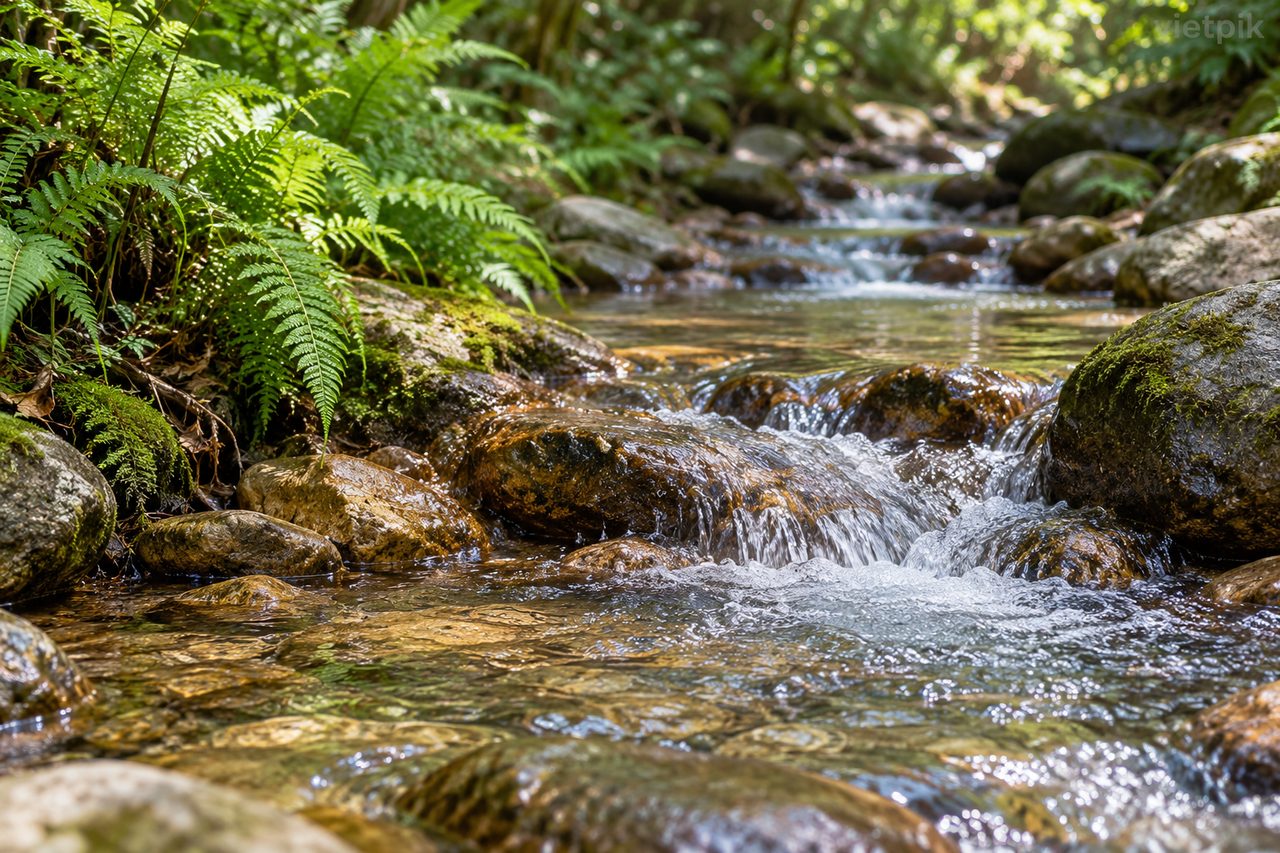
Let water remain part of the heritage
Carry your litter back to a proper collection point and keep food packaging, soap and offerings out of the stream. Follow local restrictions on entering the water or approaching a cascade. These are practical ways to respect a landscape that is also culturally meaningful. If you are photographing, work from a secure public position rather than moving stones, cutting vegetation or asking someone to stand in a risky place. A good image should not require changing the setting for the next visitor. The same care that makes a walk pleasant also helps preserve the place behind the festival's story.
Build a budget with alternatives
List transport, meals, drinking water and any admission, parking or guiding costs only after checking the current provider information. Ask whether your driver will wait if a ceremony runs longer, and choose a clear return point. If weather makes the scenic extension unsuitable, have a shorter cultural visit or a rescheduled day in mind. Do not assume a festival listing includes a package of transport and activities. Keep optional purchases separate, and avoid paying for a promised ritual access that the organiser has not confirmed. The budget should support a realistic day, not pressure you to complete an unsafe or uncertain route.
Take home a story with its meaning intact
When recounting Suối Mỡ, explain that the legend, the religious observance and your personal walk are related but different parts of the visit. Credit a local explanation with permission and avoid presenting an editorial illustrations as a photograph of the actual temples or stream route. A compelling travel account can begin with a simple observation about water, then show how the place acquired meaning through a community's story. That is more memorable than adding unverified claims of miracles or a fixed itinerary that the next visitor cannot follow. Curiosity and accuracy can make the invitation to return stronger.
Original Vietpik editorial. Food photographs illustrate dishes and do not represent a specific restaurant unless stated.
baobacninhtv.vn baobacninhtv.vn dulichsuoimo.vn baonghean.vn Last updated: 2026-09-28