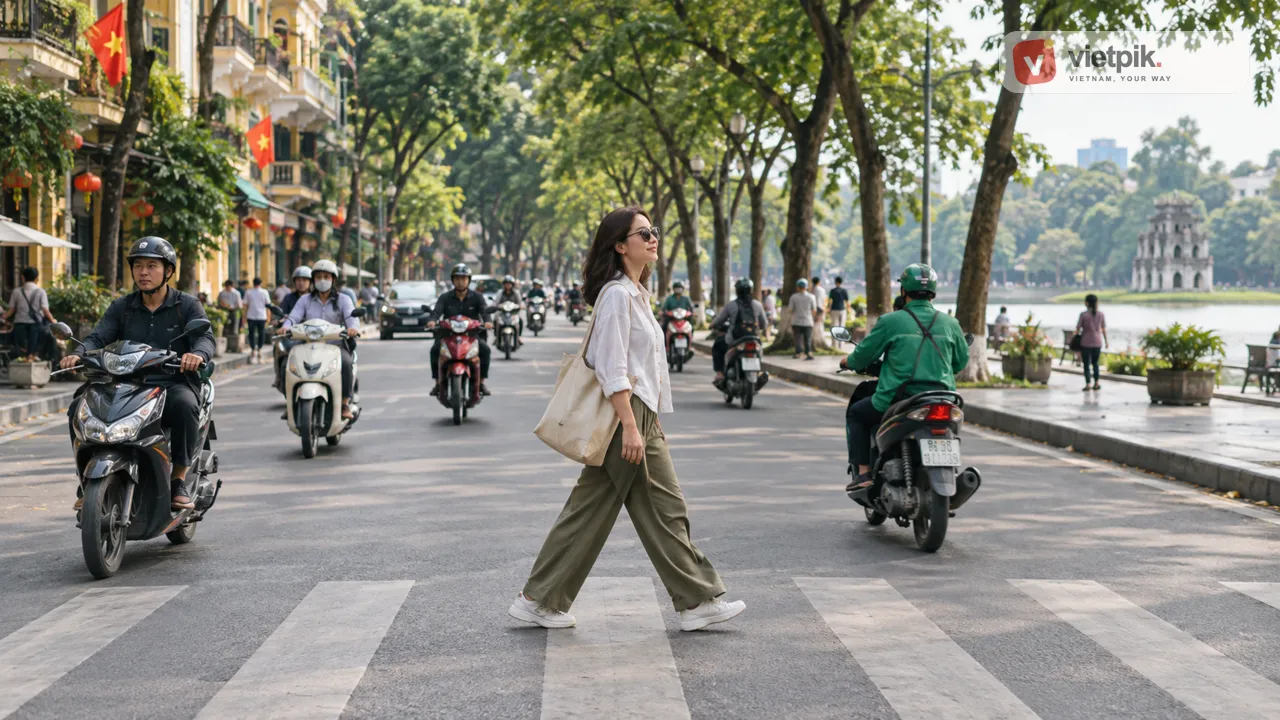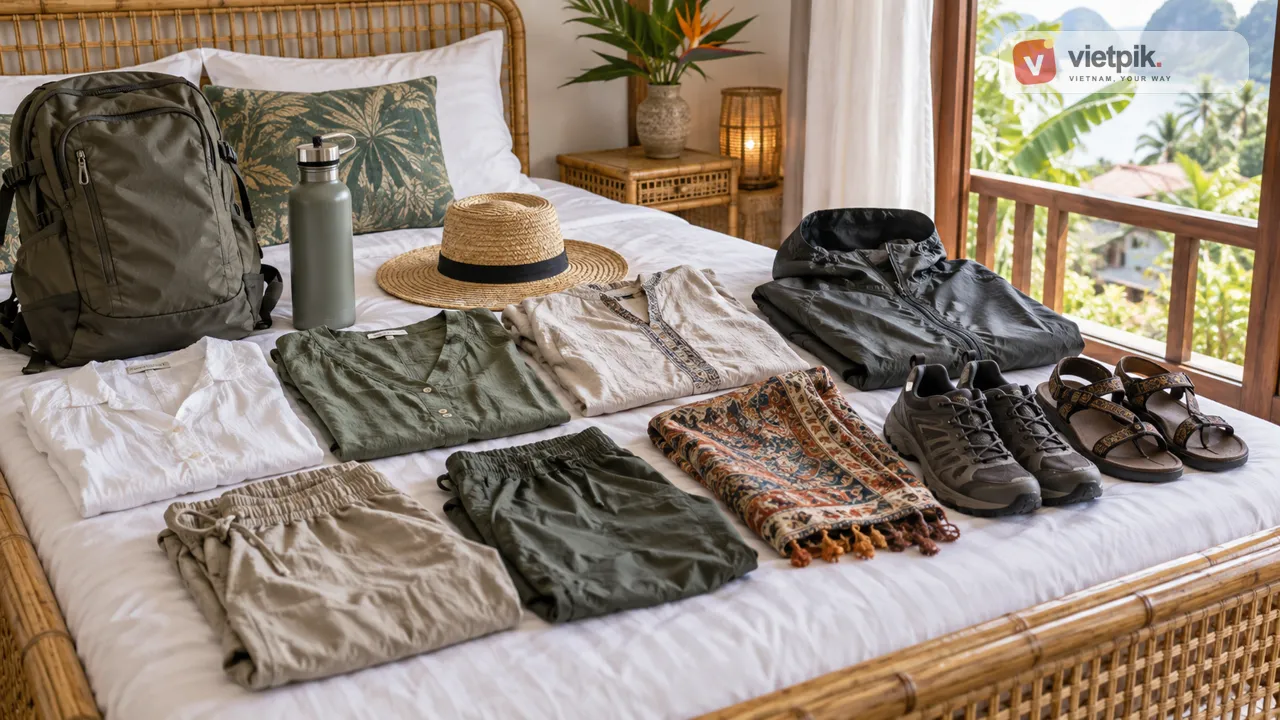
Vietnam stretches across several climate zones and travel rhythms, so a good trip begins with a few clear decisions rather than a crowded list of famous stops. Confirm your entry requirements, choose the region that fits your dates, and count full days on the ground before booking a route. Then connect only the places that make sense for your time and energy.
This guide is a practical starting point for a first visit. It brings together the essentials that are easy to miss—official visa checks, seasonal differences, realistic transfer time, payment habits, connectivity, health preparation and a calm arrival plan—while leaving room for the spontaneous meals and local discoveries that make Vietnam memorable.
1. Check entry rules before you buy the fixed parts
Visa and visa-exemption rules depend on nationality, passport and trip details. Vietnam's official electronic visa system currently states that an e-visa may be valid for up to 90 days, for single or multiple entry, but travellers should verify eligibility, the permitted entry point and every application detail on the official immigration portal before payment. Use the government portal directly, keep the application code, and save an offline copy of the approved document.
- Check passport validity and entry requirements for your own nationality.
- Use the official Vietnam Immigration e-visa portal, not a lookalike service.
- Match the approved entry point to your actual arrival plan.
- Keep offline copies of the passport photo page, visa and first-night address.
- Recheck the rules shortly before departure because policies can change.
2. Choose a region for the season, then set the pace
Northern, central and southern Vietnam do not share one simple weather calendar. Compare the forecast and seasonal pattern for each stop, especially when a route includes mountains, coast and major cities. On a short visit, one region with two or three bases is usually more rewarding than a rushed north-to-south checklist. Count transfer days honestly and give every major stop at least one unhurried morning or evening.

3. Compare transport door to door
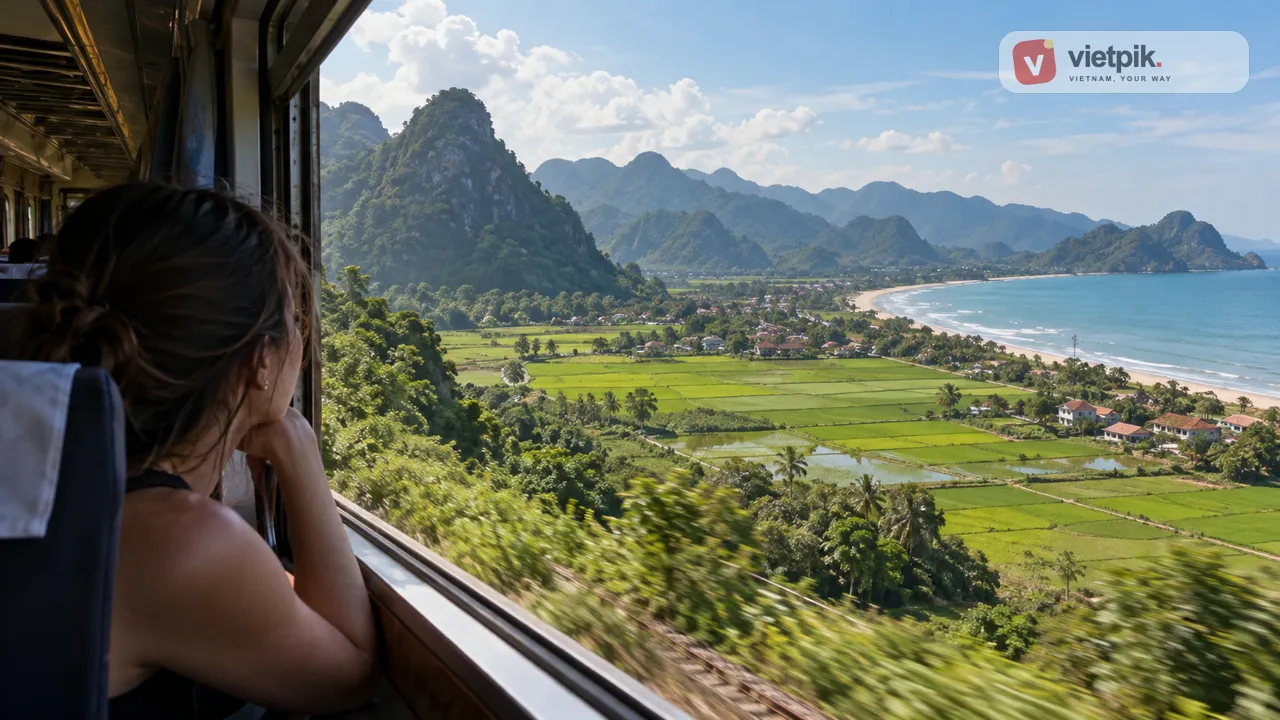
Vietnam offers domestic flights, trains, coaches, local buses, taxis and app-based rides, but the shortest timetable is not always the simplest trip. Include travel to the station or airport, check-in, waiting, luggage rules and the final connection to your accommodation. Book the transport that protects fixed dates first. For scenic rail journeys, travel in daylight; for overnight travel, confirm the operator, berth or seat type and arrival point before paying.
- Keep the accommodation name and address available offline.
- Use official operator channels or clearly identified booking providers.
- Leave a buffer before international flights and time-specific tours.
- If riding a motorbike, confirm licence and insurance validity and be honest about experience.
- Choose a well-lit, easy-to-describe pickup point in busy cities.
4. Prepare money, connectivity and the first 24 hours
The Vietnamese đồng is the local currency. Cards are common at many hotels, larger restaurants and shops, while cash remains useful for small vendors, markets and local transport. Carry a modest mix of payment methods, use ATMs attached to established banks when possible, and review the amount on the terminal before confirming. For connectivity, arrange a registered SIM or eSIM from a recognized provider and download maps, bookings and translations for offline use.
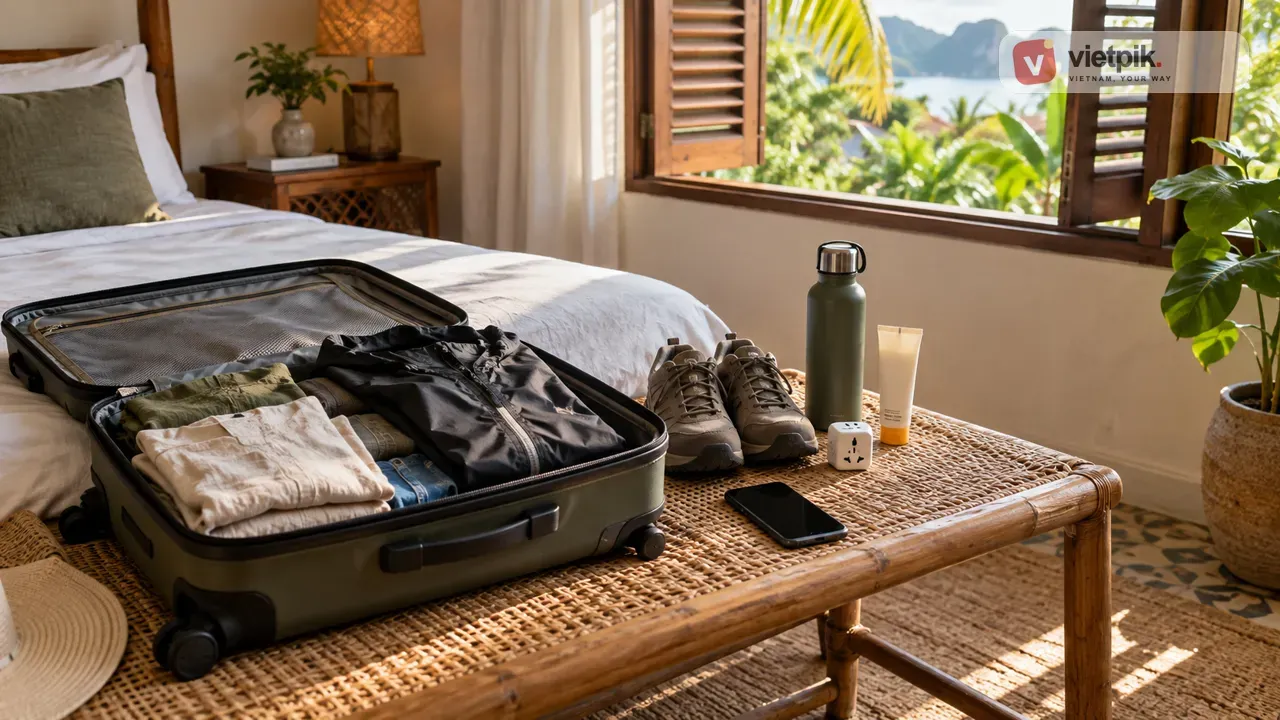
5. Use a simple final checklist
- Entry documents checked on the official portal and saved offline.
- Weather checked separately for every region on the route.
- First night, critical transfers and fixed-date activities confirmed.
- Travel insurance details and essential health information available offline.
- Two payment methods stored separately, with a small amount of local cash.
- Maps, addresses and key phrases downloaded before arrival.
- One flexible half-day left open after a long journey.