
North, central and south are useful planning labels, but each contains many distinct places and communities. A balanced route does not need equal nights in every region. It needs a clear reason for each stop and enough time to experience it. Start with the landscapes, food traditions and cultural settings that matter to you, then connect the smallest number of bases that can deliver them.
Match regions to interests, not stereotypes
The north can combine Hanoi's layered urban culture with limestone landscapes and mountain journeys. Central Vietnam brings historic cities, coastal stops and strong regional food identities. The south can pair Ho Chi Minh City's energy with river landscapes and island or coastal time. These are starting points, not complete definitions.
- For one week, consider one region or two nearby bases.
- For two weeks, connect a focused pair of regions.
- For a longer trip, link all three only if transfers still leave full days to explore.
- Use local day trips to add variety without changing hotels every night.
Count transfer days honestly
Map the accommodation-to-accommodation journey, including checkout, station or airport access, waiting and the final ride. An overnight journey may save a hotel night but cost sleep. A scenic daytime train may use more hours but add value. Choose based on the experience and recovery time, not the timetable alone.

Check current weather, access conditions and official travel information for each region before confirming the order. Keep at least one flexible block after a long journey. The route should support your attention, not compete for it.
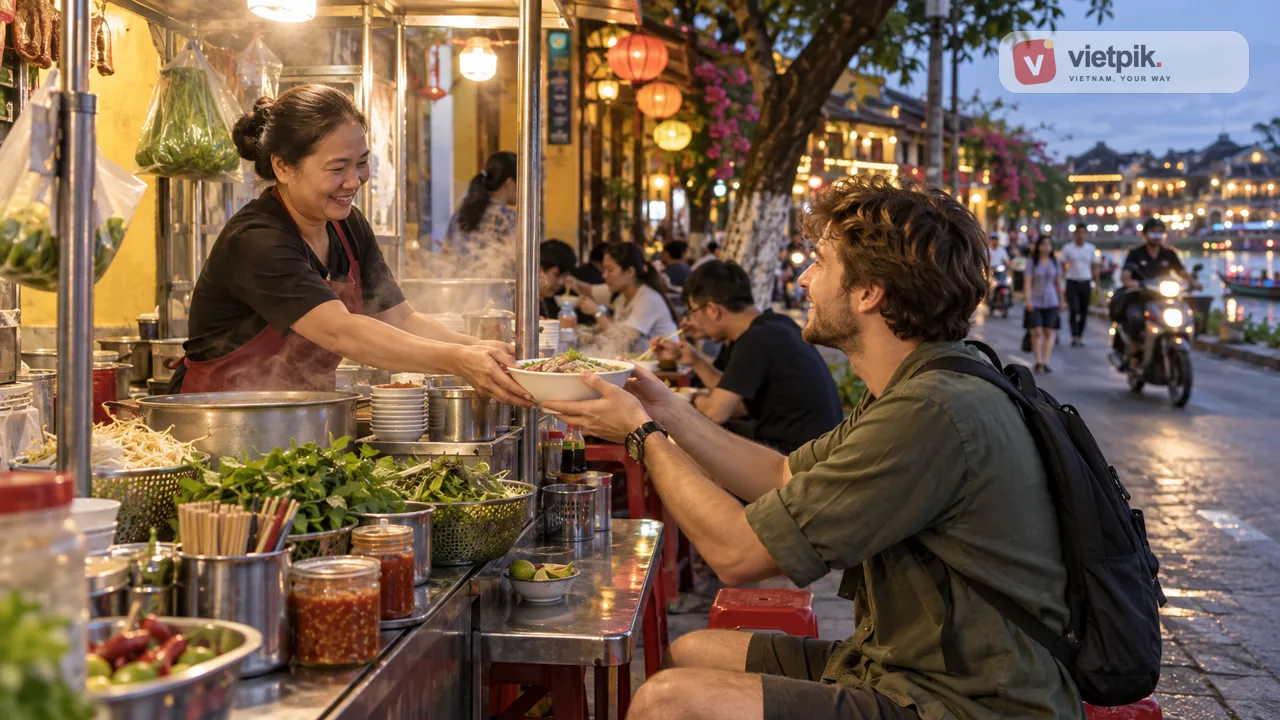
Original Vietpik editorial. Food photographs illustrate dishes and do not represent a specific restaurant unless stated.
vietnam.travel www.vietnam.travel Last updated: 2026-09-27