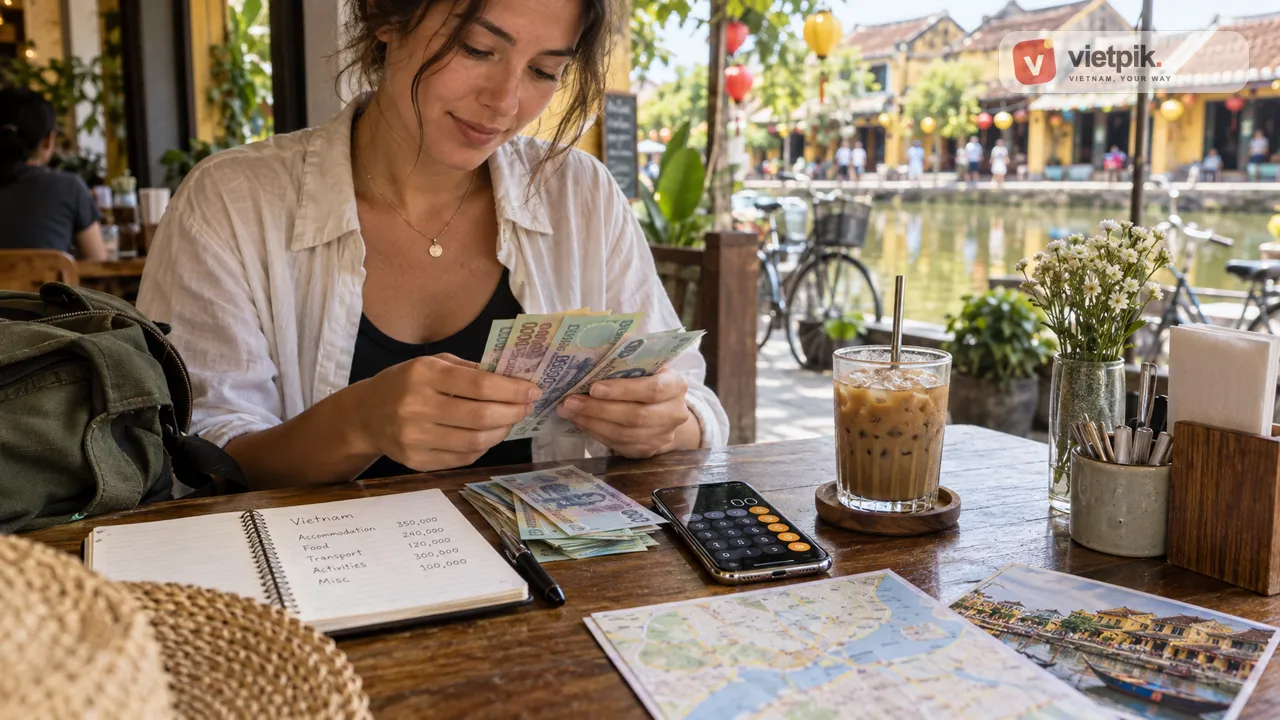
A useful Vietnam budget is a planning tool, not a promise that every traveler will pay the same amount. Prices change by city, season, comfort level, booking time and provider. Build the budget from your own confirmed reservations, add realistic daily allowances for flexible spending, and keep unknown costs as unknown until you can verify them. That method is more honest than copying one headline number.
Start with five clear categories
Track accommodation, intercity transport, local transport, food and activities separately. Add a sixth reserve for changes and small surprises. Mark each cost as confirmed, estimated or unknown. Confirmed reservations can use the actual amount; estimates should be based on a specific current option rather than an old average from another traveler.
- Accommodation per room and night
- Intercity transport per traveler
- Local rides and transfers
- Meals, drinks and snacks
- Admission and guided activities
- A reserve for changes, fees and unplanned needs
Separate group costs from per-person costs
A room or private car may be one group cost, while a museum ticket or train seat is usually per person. Mixing the two can quietly distort the total. Record quantity, travelers and currency for every line. If a price has not been verified, leave it blank and flag it for checking instead of entering zero.

During the trip, compare estimated and actual spending by category without turning every purchase into a judgment. If one day costs more, adjust a later optional activity rather than erasing the reserve. A budget should help you decide with confidence, not make the trip feel like an accounting exercise.
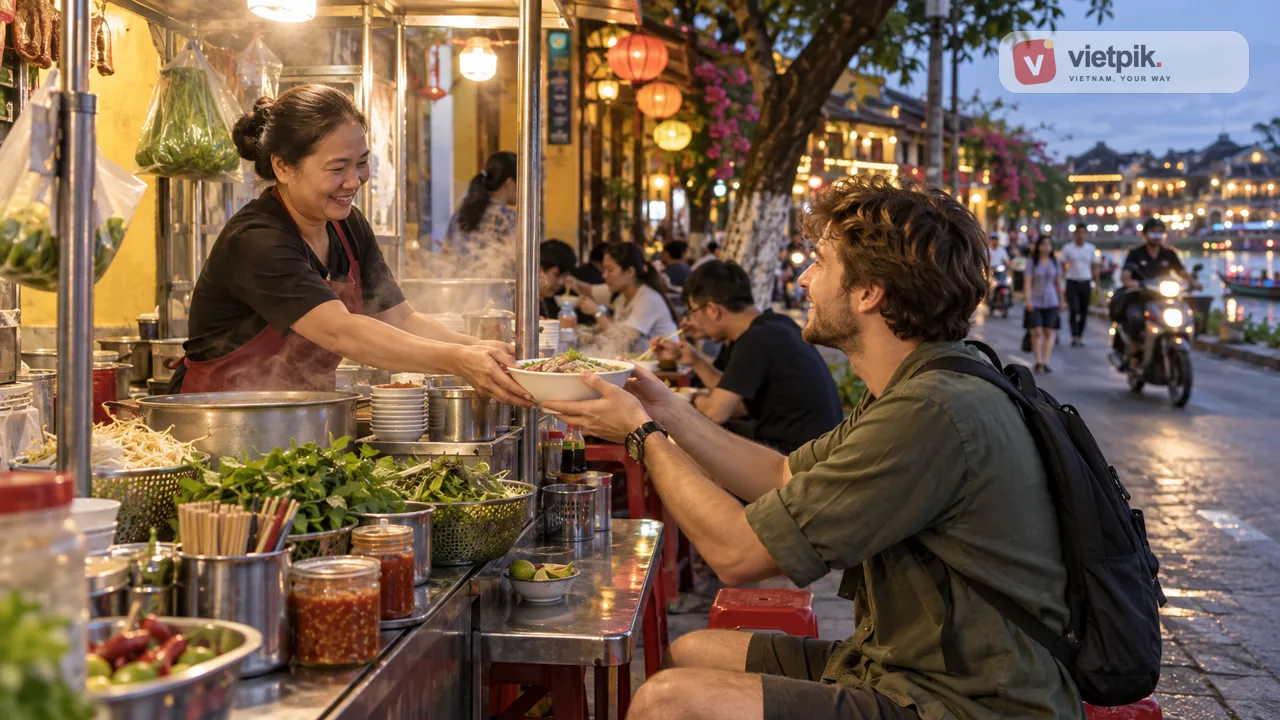
Original Vietpik editorial. Food photographs illustrate dishes and do not represent a specific restaurant unless stated.
vietnam.travel vietnam.travel Last updated: 2026-09-27