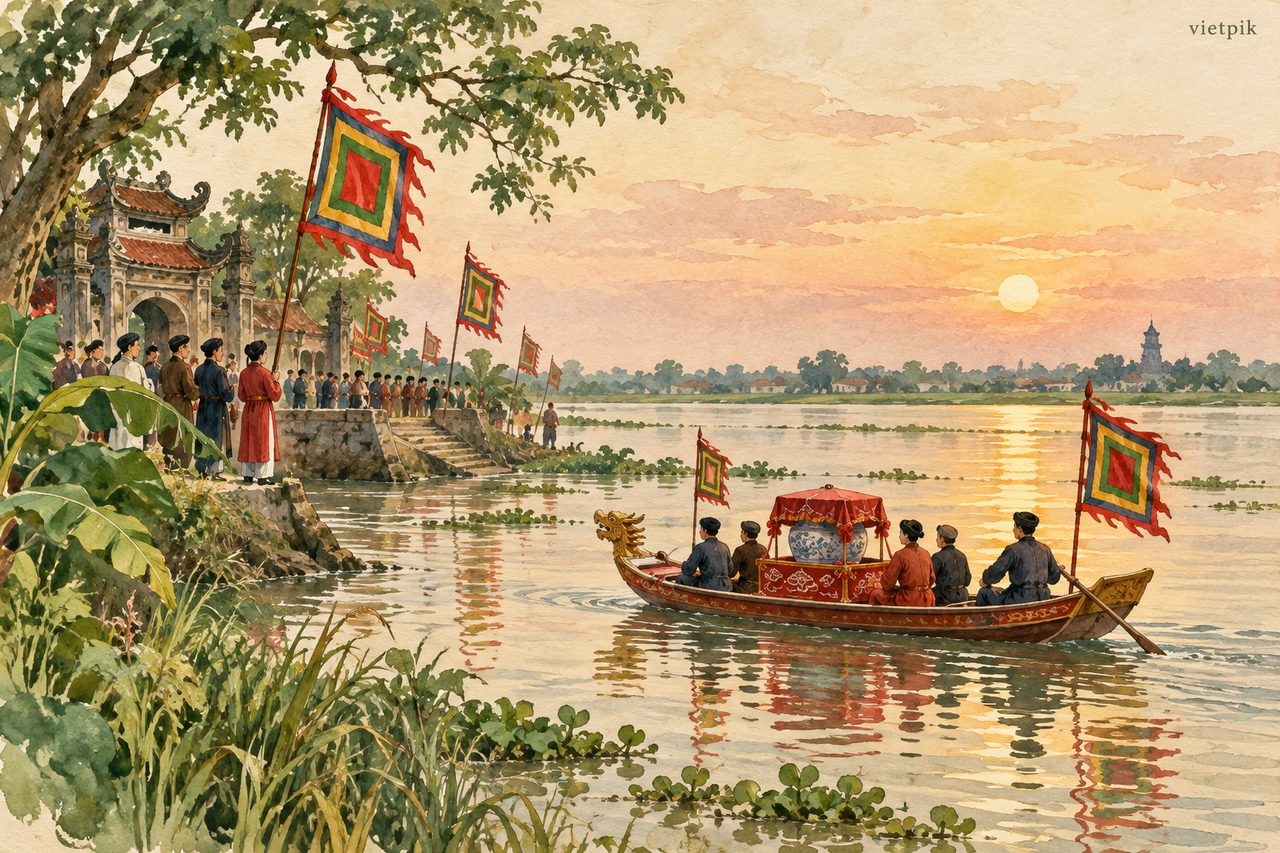
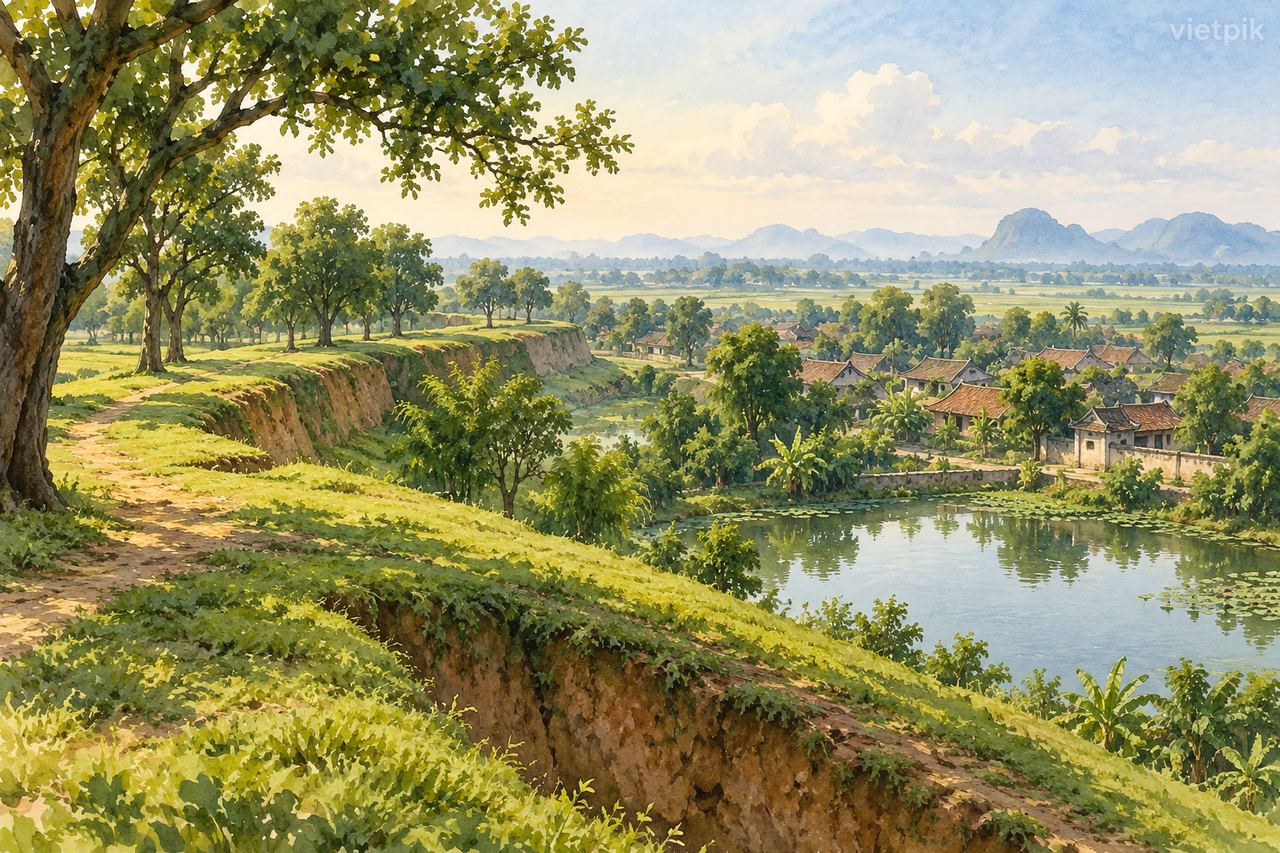
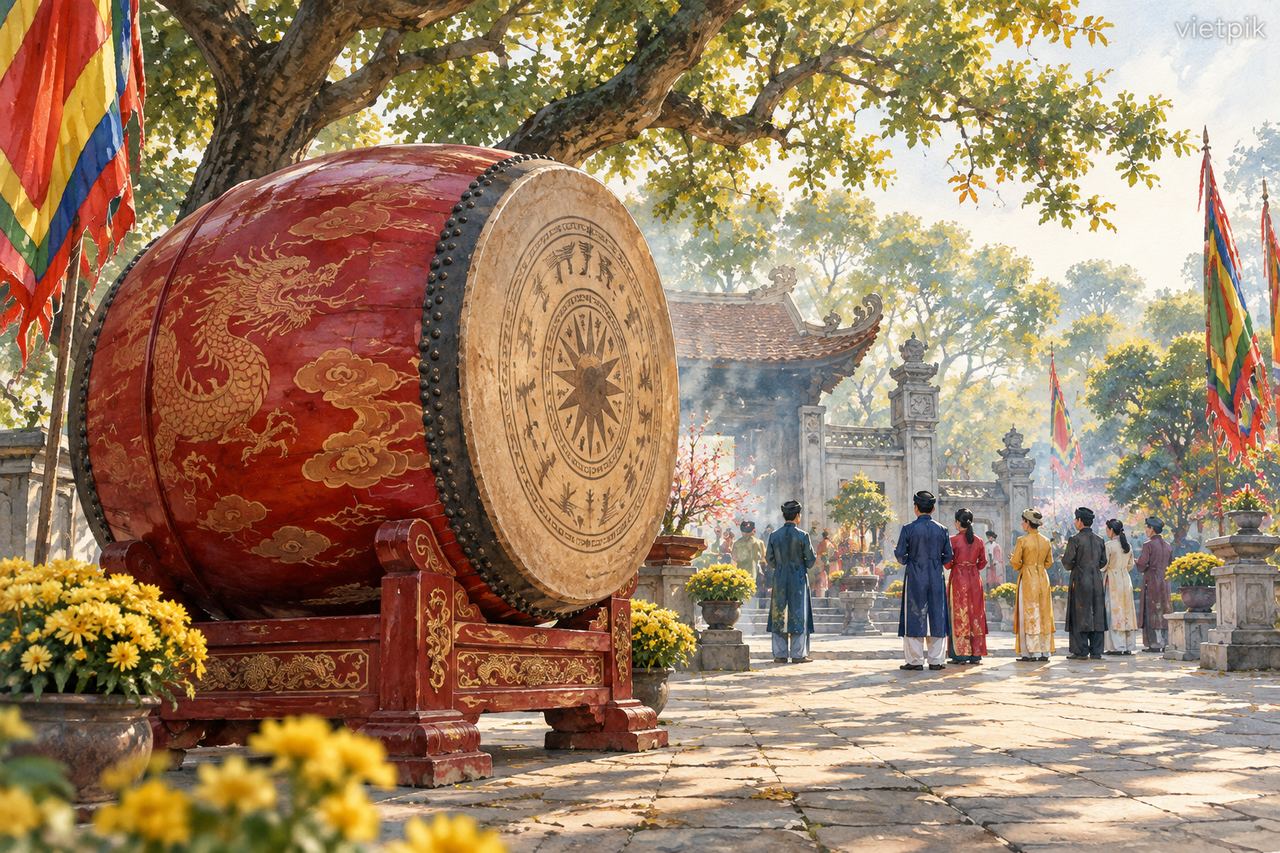
A famous image can create the wrong expectation. Search for Đăm and you may imagine a race immediately, yet a responsible visit begins by distinguishing the annual communal-house and shrine observance from a separately organised major rowing edition. The wider festival remains meaningful even when boats are not racing. It brings attention to ceremonial places, local gathering and a village identity that continues within Hanoi's expanding urban landscape. This guide treats Đăm, the Tây Tựu communal-house and shrine festival, and its rowing heritage as one editorial subject. It does not split the race into another article or promise a 2027 competition that has not been announced.
History & story
The ward's 2026 notice identifies đình Đăm, miếu Tây Tựu and đình Trung Tựu in the annual observance around the tenth day of the third lunar month. These names provide a better starting map than an isolated race photograph. Ask which place hosts the activity you want to attend and whether movement between them is part of the public programme. Do not assume all three can be entered at any moment. A festival route is organised around community purposes, not a visitor's wish to complete a checklist. Learning the names also helps prevent confusion with other Vietnamese villages whose names are written without diacritics as Dam.
Start with the three ceremonial places
The ward's 2026 notice identifies đình Đăm, miếu Tây Tựu and đình Trung Tựu in the annual observance around the tenth day of the third lunar month. These names provide a better starting map than an isolated race photograph. Ask which place hosts the activity you want to attend and whether movement between them is part of the public programme. Do not assume all three can be entered at any moment. A festival route is organised around community purposes, not a visitor's wish to complete a checklist. Learning the names also helps prevent confusion with other Vietnamese villages whose names are written without diacritics as Dam.
Rowing heritage has its own cycle
Local information states that the major bơi Đăm festival is held on a five-year cycle, and the city reported a rowing festival in 2025. This does not justify publishing a race schedule for 2027, or even announcing a future edition solely by arithmetic. Organisers still need to confirm what will be held. The practical lesson is to ask two questions separately: is there an annual temple-and-shrine observance, and is rowing included this year? A travel plan built on that distinction can appreciate the festival in front of it instead of treating the absence of a race as a failed promise made by the village.
What the 2026 programme actually supports
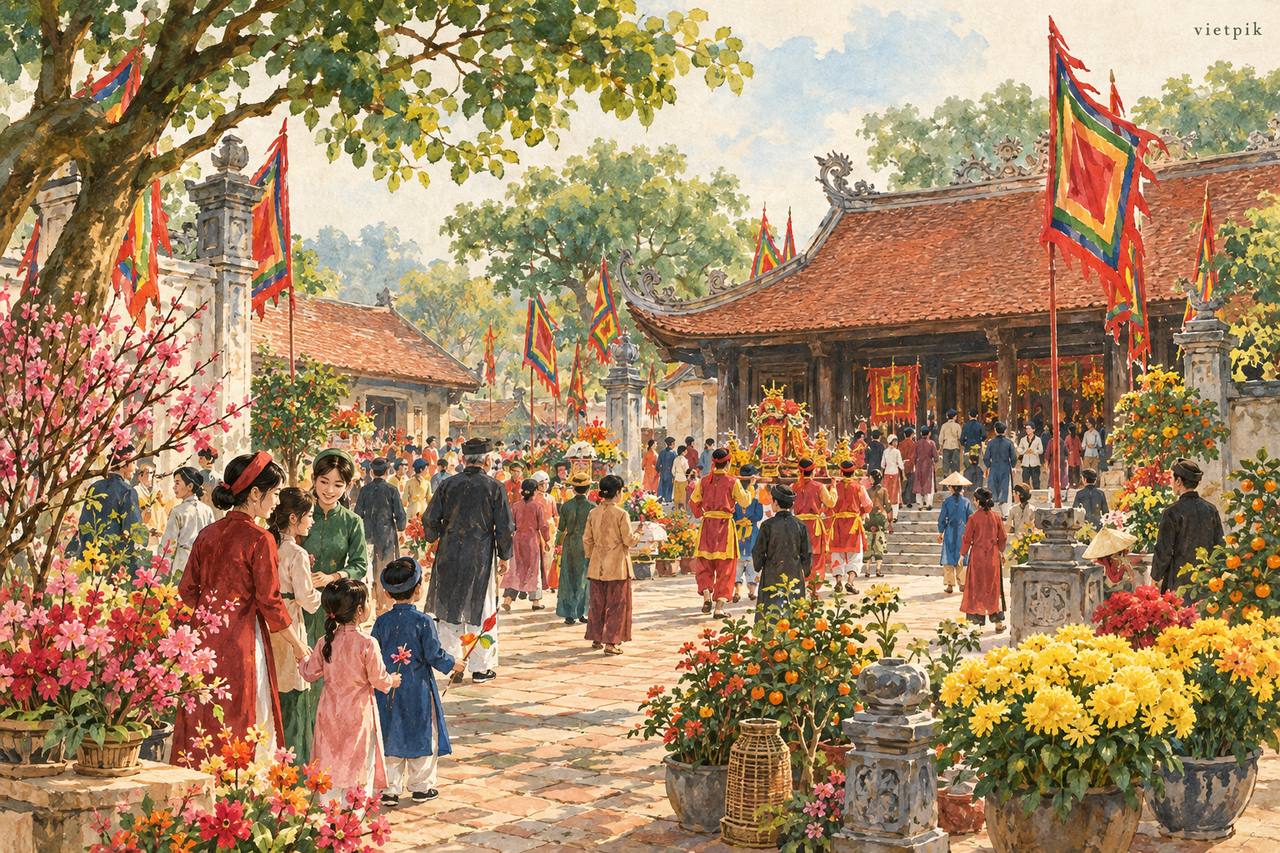
The ward publicised festival activities over 24–27 April 2026, corresponding to lunar days eight to eleven of the third month. Its notices mention flower displays, music and folk games, with the annual observance centred around lunar day ten. That programme should not be relabelled as a confirmed boat race. At the source review on 28 September 2026, no official 2027 programme was confirmed here. Keep converted dates and programme claims separate: even a correct lunar conversion cannot establish which activities will run. Before travelling, request a notice that names the exact activity, its location and the year.
Flowers are part of a living local identity
The 2026 programme's flower displays offer a way to notice the connection between celebration and local making without inventing a farm tour. If displays return in the year of your visit, look at how they frame communal space and how viewers move around them. Ask whether information about the makers is available. Do not enter cultivation plots, cut stems or handle arrangements for a photograph. A village associated with flowers is not an open-access studio. Nor does a festival display prove that a particular grower accepts visitors or sells at a stated price. Keep appreciation of the craft separate from unverified commercial promises.
Understand a boat without claiming a race
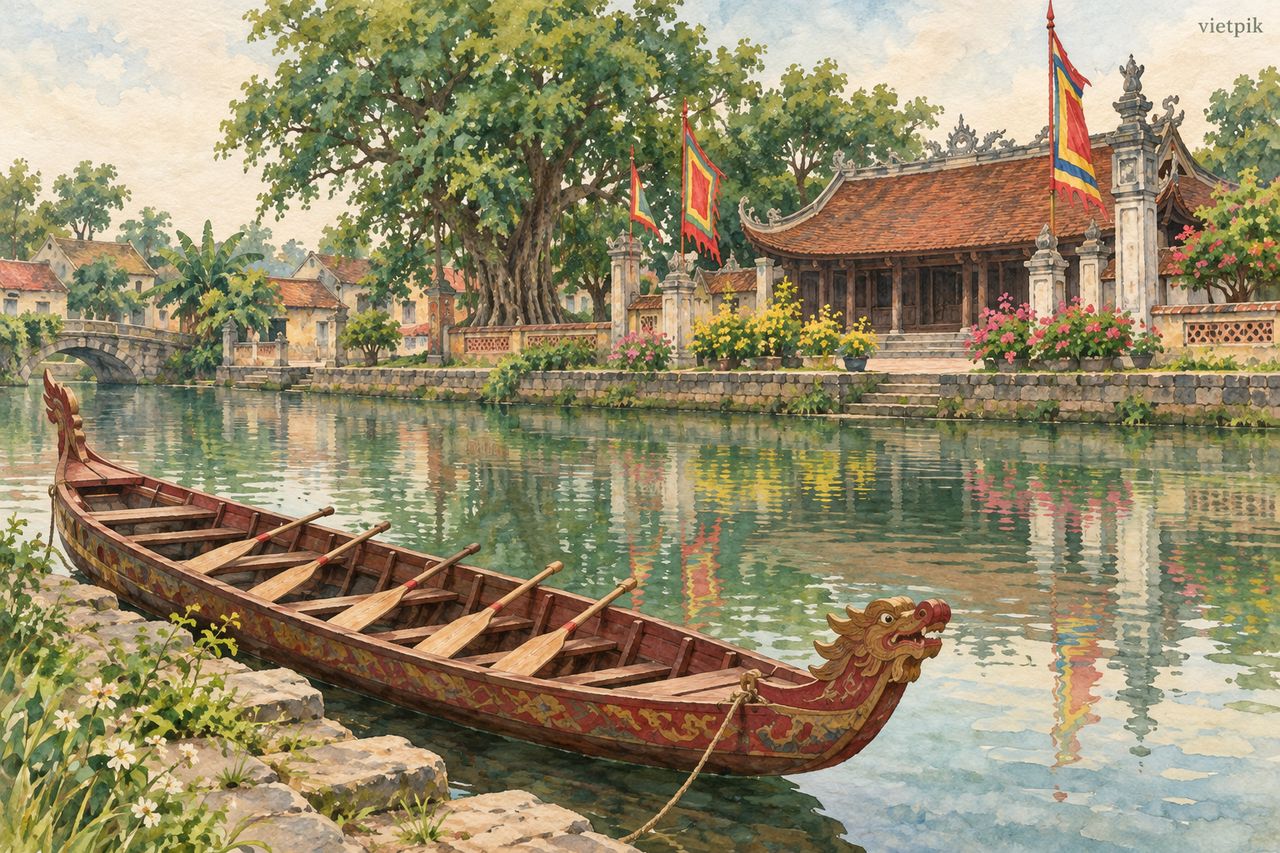
A boat, if publicly displayed or visible from a permitted route, can be a starting point for questions about teamwork and maintenance. How do rowers coordinate? Who looks after equipment between major editions? Ask people who are willing and qualified to explain rather than guessing technical rules from the shape of a paddle. Do not climb into a ceremonial or racing boat for a photograph. An object at rest can still communicate accumulated work. If boats are not accessible, use published interpretation instead; the absence of an object from your visit is not a reason to invent a demonstration or describe an imagined race as witnessed experience.
Make room for neighbourhood life
Choose one confirmed venue as the centre of your day and allow time to walk only where public access is clear. The phrase village in the city can be useful as a prompt to notice continuity, but it should not romanticise residents as people living outside modern life. They may be commuting, delivering goods or caring for relatives while visitors attend a festival. Keep residential entrances and working routes open. Ask before photographing identifiable people at close range. A respectful itinerary gives ordinary activity space alongside the ceremonial gathering, rather than expecting the entire neighbourhood to perform for visitors throughout the day.
Keep one identity across different editions
When saving photographs or writing a travel note, name the event precisely and state whether rowing was actually part of the programme you saw. Do not label flower displays as a boat-racing festival merely to borrow a recognisable title. Equally, do not dismiss the annual gathering because it was smaller than a major edition. The relationship between ordinary observance and occasional large-scale activity is itself worth understanding. A return visit can follow that changing rhythm, provided the next date is verified. What lasts is the community's continuity, not a guarantee that the same spectacular image will be available every year.