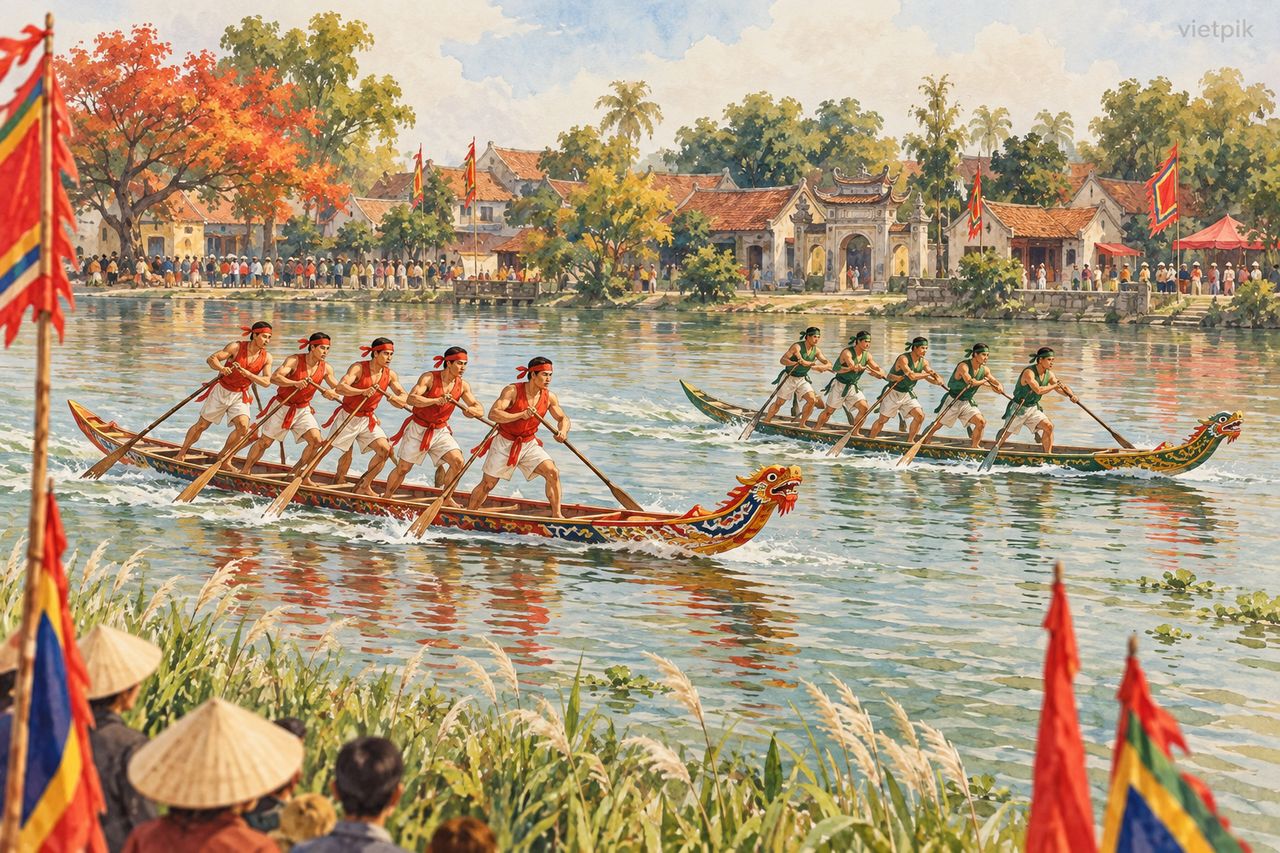
Lanh Giang rewards a visitor who looks beyond the surface of a colourful procession. Its river associations invite questions about the water that supports a community and the uncertainty that water can also bring. This is a festival in the former Ha Nam area, now within Ninh Binh; the 2026 local report locates the temple at Yen Lac, Duy Tan ward. The guide approaches the celebration through water, movement and respectful observation. It also treats the calendar carefully, because a brief tourism listing, a detailed heritage account and an annual programme do not necessarily describe the same span of activity.
History & story
The heritage authority describes Lanh Giang's festival as a cultural expression of communities beside the Red River. Rather than treating that connection as scenery, use it as a question to guide a visit: how does water move from the surrounding landscape into the ceremonial space? A river can be a route, a resource and a boundary at the same time. This is an interpretive lens, not a claim that every participant would give an identical explanation. It encourages attention to vessels, paths and gathering points, while avoiding a simplistic description of the event as merely a request for luck.
1. Let the river explain the setting
The heritage authority describes Lanh Giang's festival as a cultural expression of communities beside the Red River. Rather than treating that connection as scenery, use it as a question to guide a visit: how does water move from the surrounding landscape into the ceremonial space? A river can be a route, a resource and a boundary at the same time. This is an interpretive lens, not a claim that every participant would give an identical explanation. It encourages attention to vessels, paths and gathering points, while avoiding a simplistic description of the event as merely a request for luck.
2. Keep sacred narratives in their own register
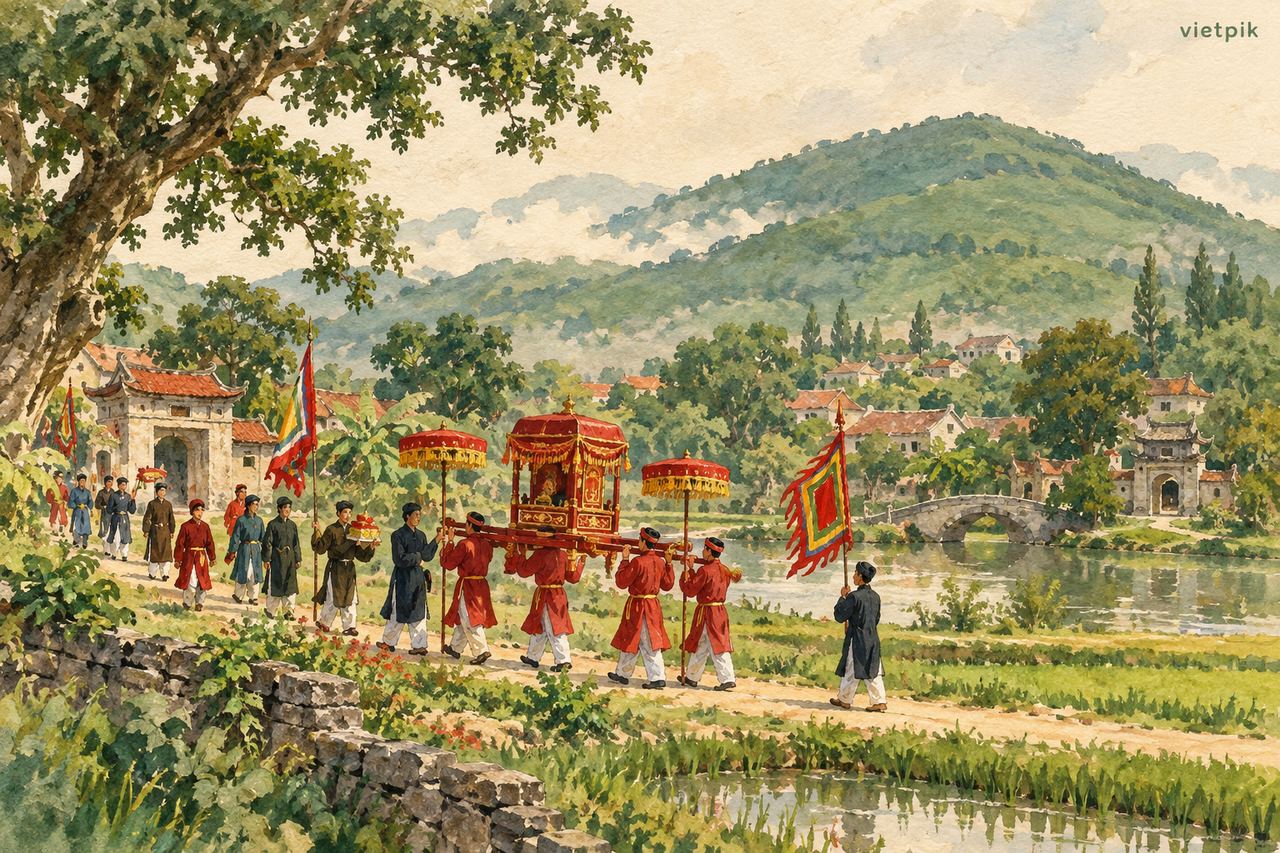
Local descriptions associate the temple with three figures of the Hung kings' era and with Chu Dong Tu and Tien Dung. Such traditions belong to the site's religious and cultural identity. They should be introduced as sacred narratives and objects of worship, not converted into independently verified biographies. For a visitor unfamiliar with Vietnamese temple culture, it helps to ask which name belongs to which account before combining them. A crowded altar or several ceremonial groups may express layered devotion. They do not automatically indicate a single historical episode, and an editor should resist flattening those layers into an easy but misleading story.
3. A vessel can be more revealing than a spectacle
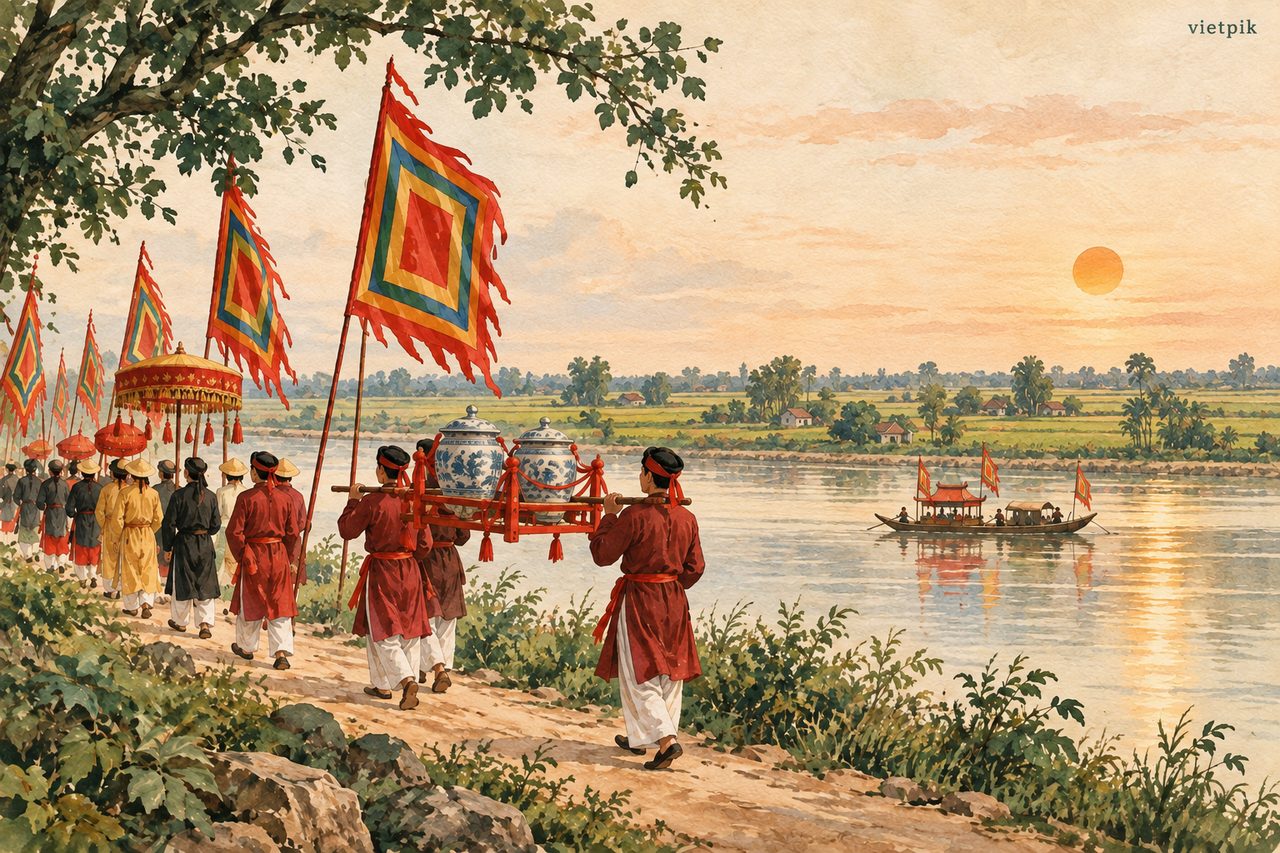
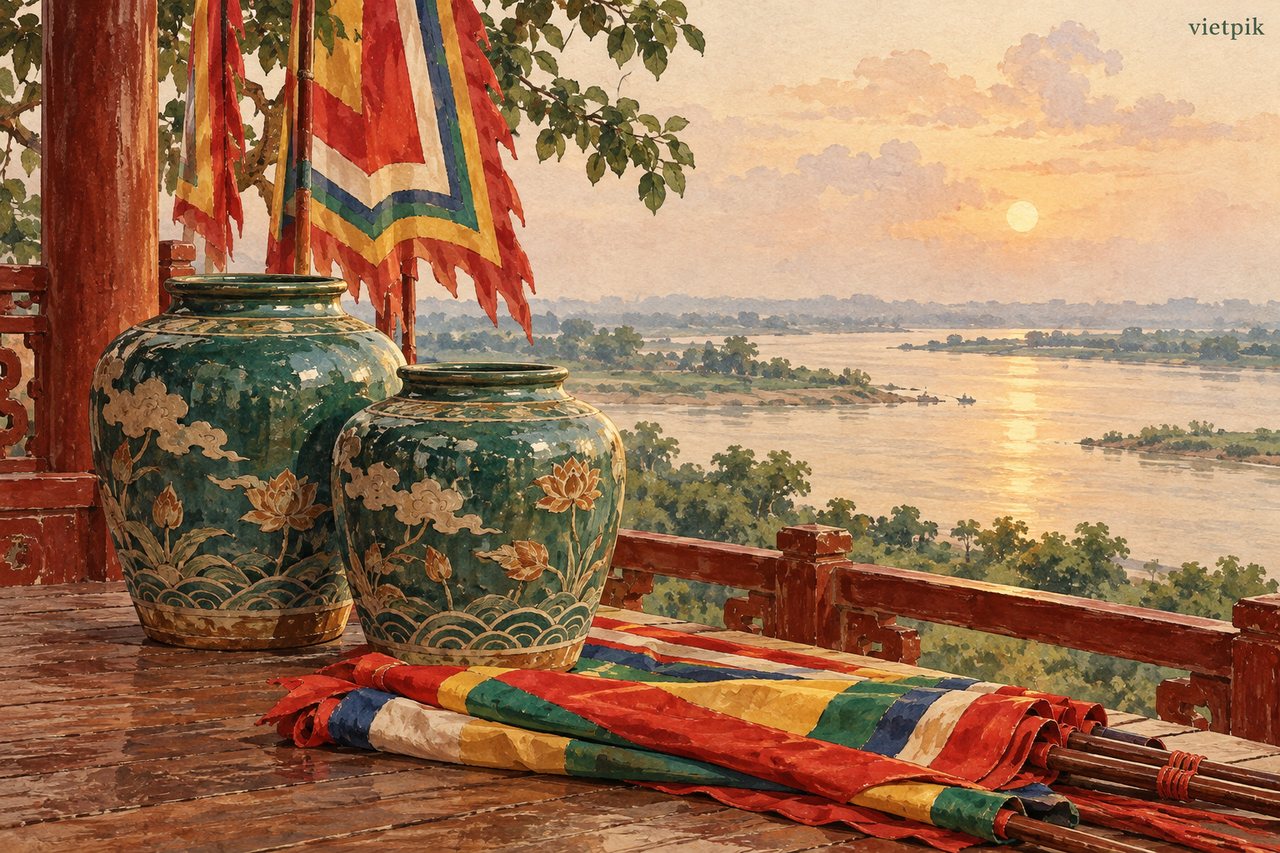
The heritage account describes a water procession in which water is collected and brought back for worship. The practical object at its centre, a vessel, is a good point of concentration. Watch how people make space for it and how a procession links different places, if that activity is publicly accessible in the edition you attend. Do not infer permission to board a boat from the presence of a ceremonial boat. The public's route and the participants' route may differ. A respectful view from land can reveal the relationship between people and water without interrupting the action.
4. Several dates need several labels
The 2026 opening was reported on 15 July, corresponding to the second day of the sixth lunar month. Older tourism material lists a sixth-month festival and an eighth-month occasion, while the detailed heritage description sets out rites beginning before the sixth month and further observances later in that month. These are reasons to preserve source-specific labels rather than publish one oversimplified date range. No official 2027 schedule was verified on 28 September 2026. Keep the year's dates open and check the particular rite you want to see, especially when a notice uses the general word festival.
5. Watch performance without treating worship as a show
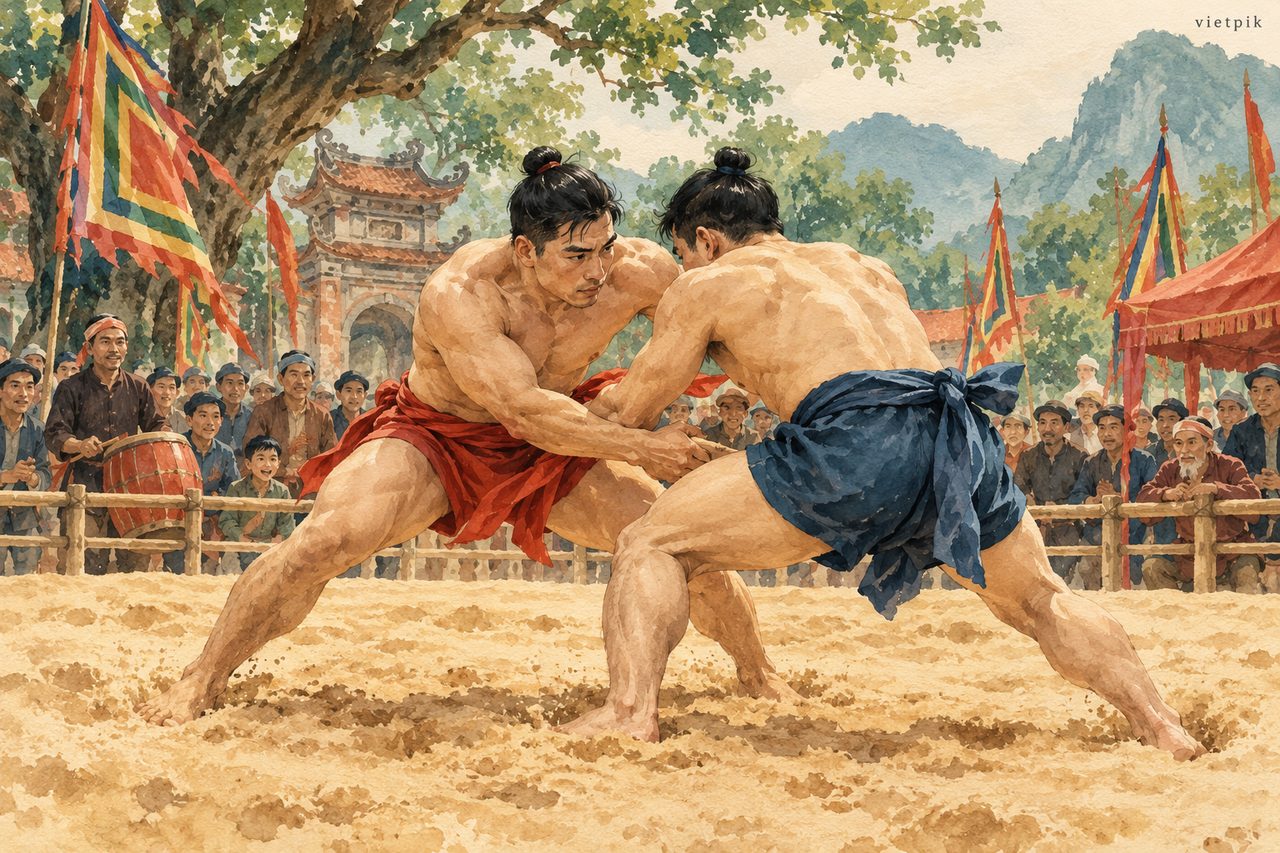
Lanh Giang is associated with living devotional practice, not only a programme arranged for tourists. Where performance and worship meet, an observer should follow the host's cues about movement, recording and proximity. Ask before taking a close portrait and avoid turning another person's concentrated moment into an invitation to pose. If a chant or costume is unfamiliar, write down a question rather than inventing its meaning. This approach leaves room for learning. It also avoids the opposite mistake of describing every visible act as an entertainment item whose timing and repetition visitors can demand.
6. Make the riverbank a viewing limit
For a festival involving a river, the desire for a better angle should not determine where you stand. Choose a stable permitted position, keep children with the group and let organisers direct movement towards or away from the bank. Carry only what you can manage without setting equipment in a narrow passage. If the programme or weather changes, a quieter visit to the publicly open parts of the temple can still be worthwhile. This article does not promise boat access, a fixed procession route or a particular viewing platform. Those details require confirmation from the organisers of the actual edition.
7. Keep a record of the layer you encountered
A useful personal record distinguishes three things: the rite named by the organisers, the scene you observed and your own response to it. You may remember the slow progress of a vessel more strongly than a large crowd; that is a valid impression without becoming a universal explanation. Use Lanh Giang's full name in captions and retain the date of your visit.