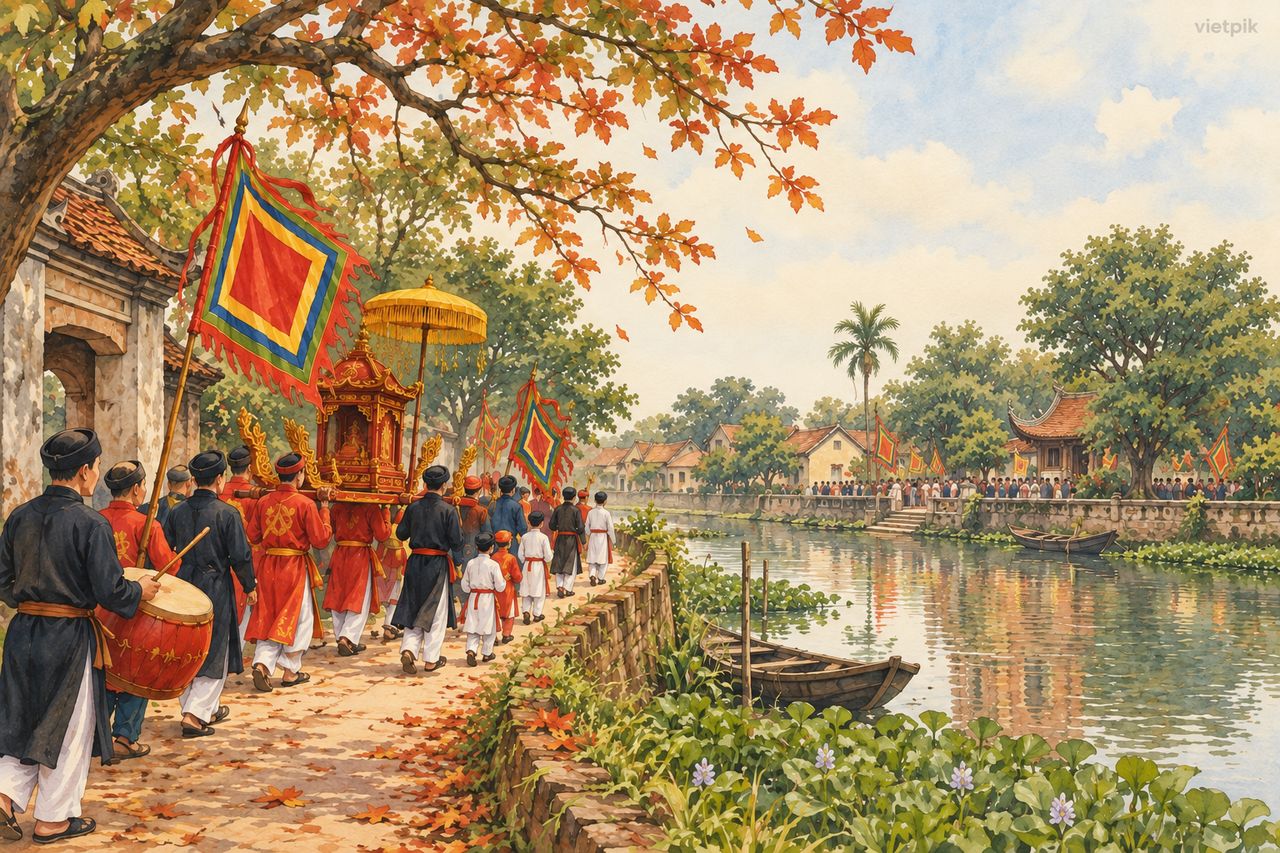
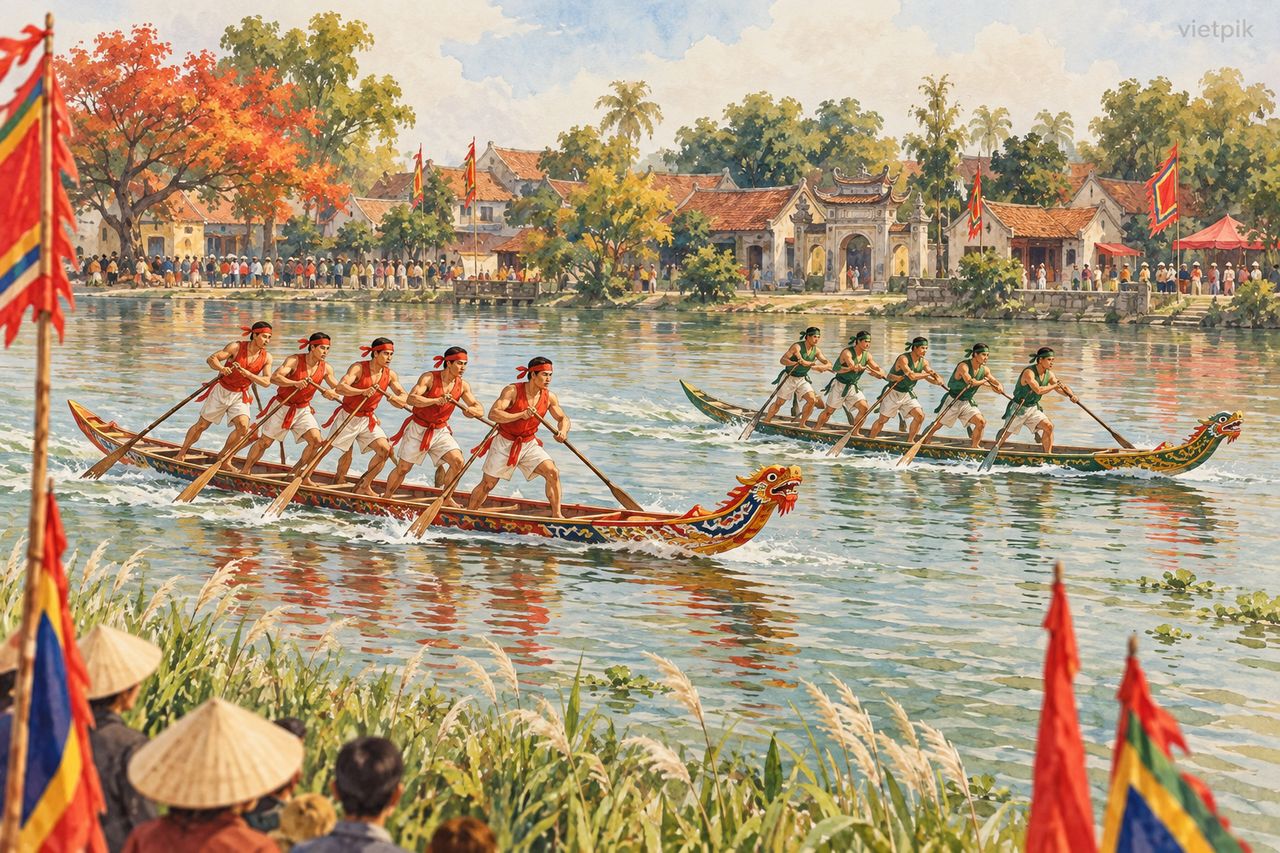
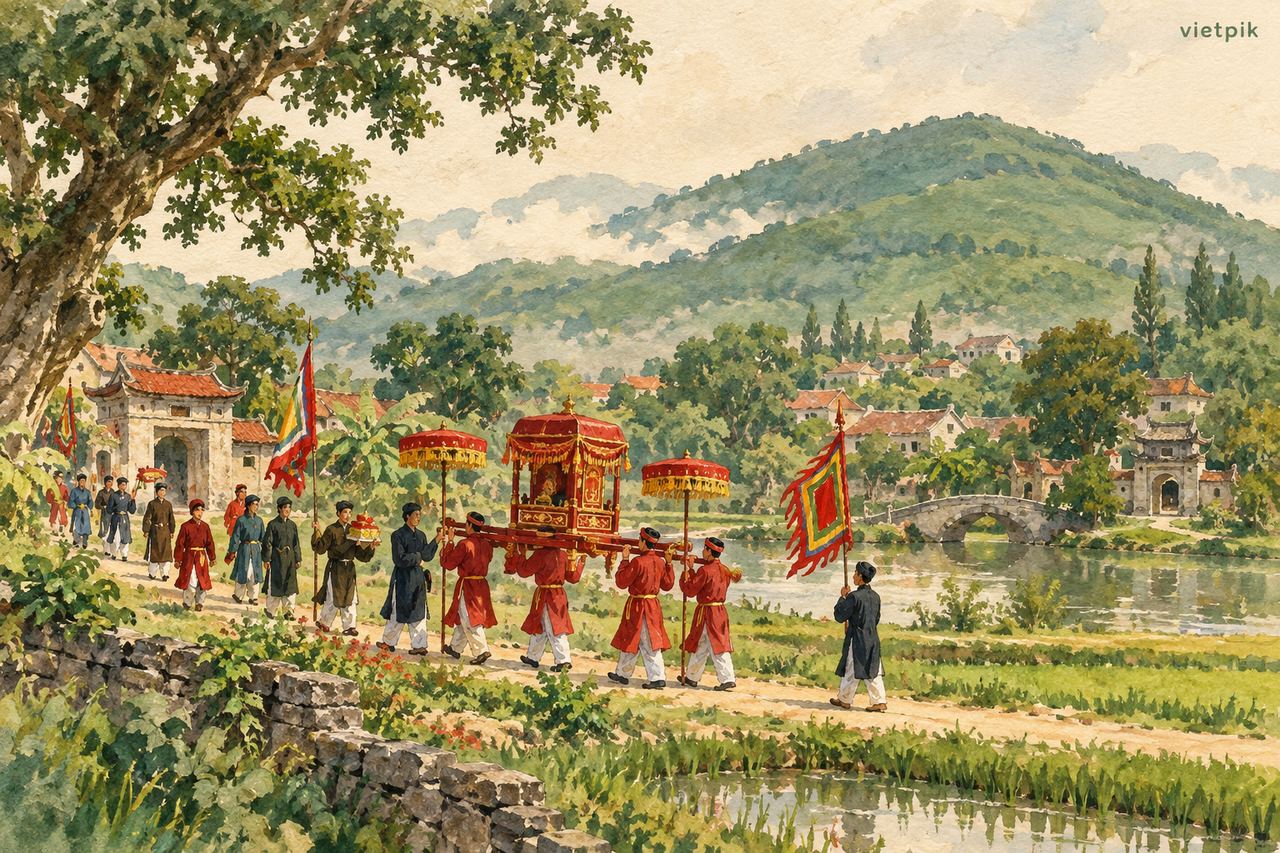
Long Doi Son invites two different speeds of attention. A festival gathers people into movement, while a stone inscription asks them to stop and read. Holding those speeds together is a rewarding way to visit this hill pagoda in the former Ha Nam area of today's Ninh Binh. Its celebration belongs to a Buddhist place with a strong association with the Ly dynasty. The guide focuses on that encounter between living devotion and material evidence. It is a separate festival from Tich Dien's agricultural celebration around Doi mountain, even though both appear in introductions to the same cultural landscape.
History & story
The heritage authority dates the Sung Thien Dien Linh stele to 1121 and associates it with the tower of the same name. Its existence gives a visitor something more specific than a general claim that a pagoda is ancient. An inscription is a made object with a purpose, authorship and a history of survival. You do not need to read classical characters to appreciate that distinction. Look for a reliable explanation of what the text records, then separate the original object from later shelters, repairs and interpretation. Age belongs to particular elements, not automatically to everything within a monument's present boundary.
1. Begin with the surviving evidence
The heritage authority dates the Sung Thien Dien Linh stele to 1121 and associates it with the tower of the same name. Its existence gives a visitor something more specific than a general claim that a pagoda is ancient. An inscription is a made object with a purpose, authorship and a history of survival. You do not need to read classical characters to appreciate that distinction. Look for a reliable explanation of what the text records, then separate the original object from later shelters, repairs and interpretation. Age belongs to particular elements, not automatically to everything within a monument's present boundary.
2. Royal memory within a Buddhist place
The national tourism listing connects the festival with worship of the Buddha and remembrance of Ly Nhan Tong. That combination suggests a useful question: how does the same place hold religious practice and historical gratitude? Do not expect each visitor to have the same reason for coming. Some may concentrate on worship, others on heritage, and others on reunion with their community. A thoughtful visit leaves room for those differences. Read the introductory information without turning worshippers into illustrative objects for a historical explanation. Their present activity is part of the site's life, rather than merely decoration around an old narrative.
3. Read the festival window and opening separately
An older tourism entry highlights the twenty-first day of the third lunar month. Tien Son's 2026 festival regulation describes a seventeenth-to-twenty-first-day period, while the local report records that year's opening on 4 May, the eighteenth lunar day. These are compatible as different kinds of calendar information, but none alone should become a confirmed 2027 booking date. This review, completed on 28 September 2026, did not verify the coming programme. A future notice should be checked for the opening, the particular procession or performance sought, and any conditions affecting access to the hill and worship spaces.
4. Give the ascent its own time
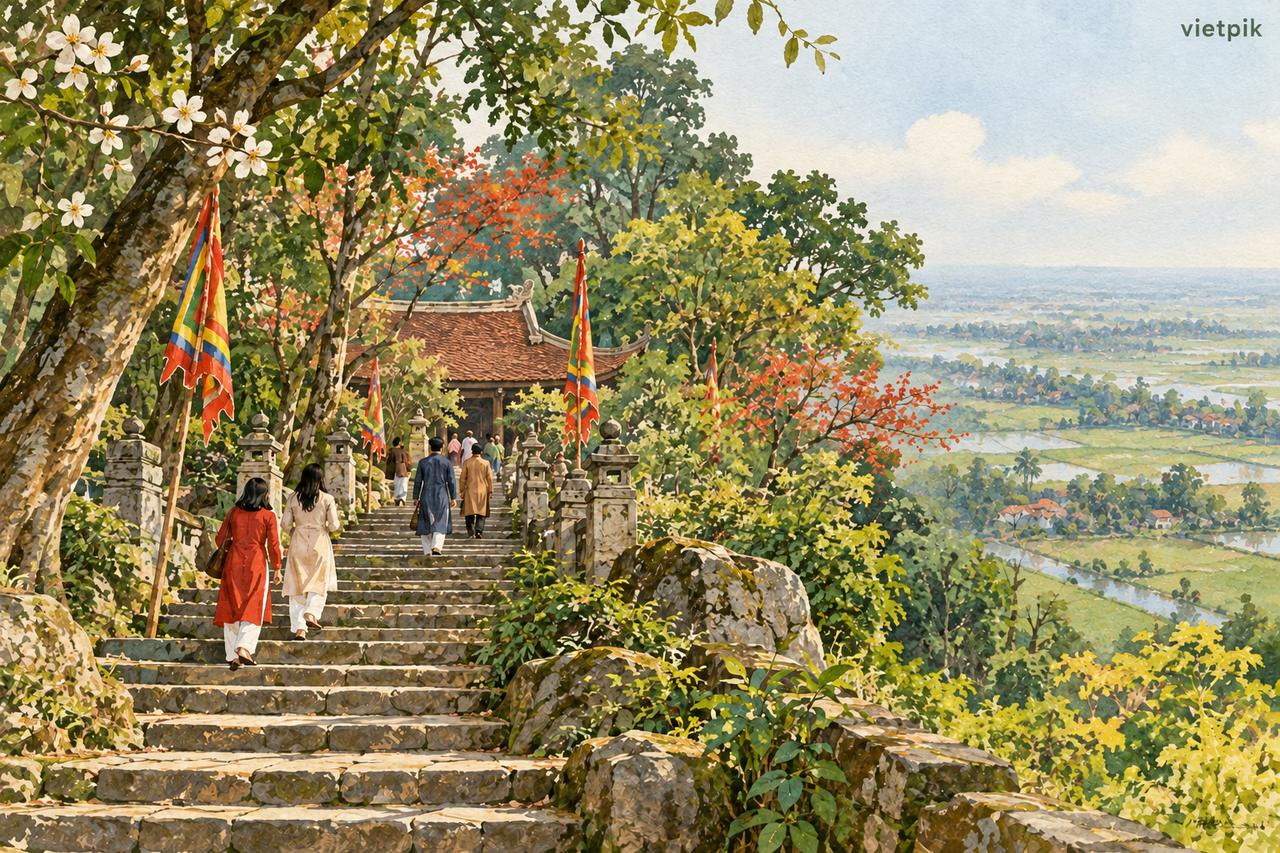
A hill setting changes how to organise a group visit. Let the slowest walker help determine the pace, and avoid combining a rushed ascent with an inflexible performance appointment. On any steps open to visitors, keep a route clear for people moving in the opposite direction. Stop for photographs where standing does not obstruct others. These are practical suggestions rather than a verified accessibility assessment; this guide does not claim a lift, a step-free route or a fixed walking time. Anyone needing a particular access arrangement should confirm it before making the festival the centre of their day.
5. Read stone without touching it
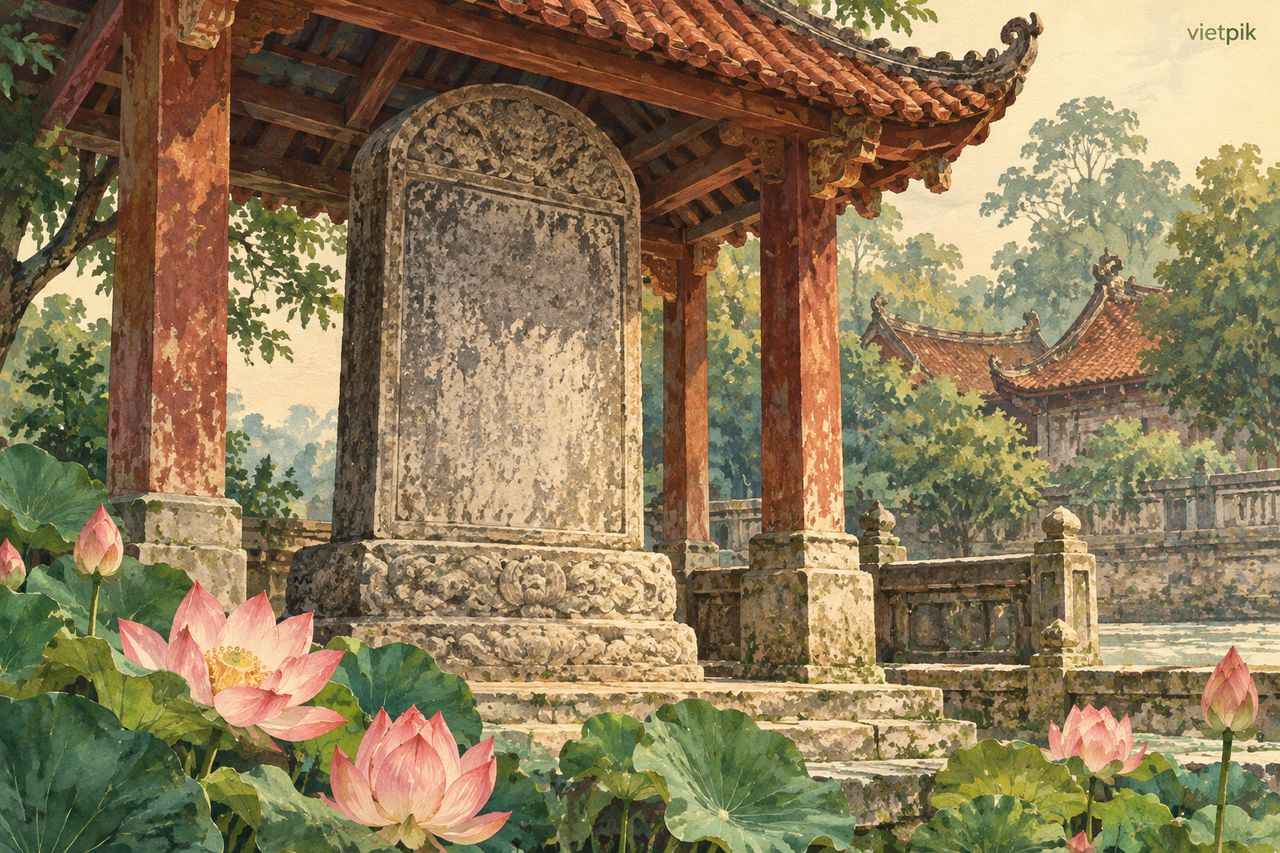
The stele offers an opportunity to practise patient looking. Compare the density of inscription with the surrounding carved ornament, using only positions permitted by custodians. If a character or motif is unclear, a photograph taken where allowed or a published explanation is preferable to touching, rubbing or tracing the surface. The aim is not to extract a perfect image at the expense of the object. Ask what an inscription can tell you that a ceremonial performance cannot, and what a living festival can reveal that stone alone cannot. The two forms of evidence complement one another without being interchangeable.
6. Do not rebuild the lost tower in your caption
Historical descriptions of a tower are not proof that a visually impressive tower in an illustration matches the original. This matters when sharing AI images, reconstructions or promotional artwork. The illustrations here deliberately evoke a wooded pagoda approach and stone heritage without claiming an exact architectural reconstruction. In your own photographs, identify the feature actually present and use an interpretation panel to check its name. If discussing the earlier tower, label the statement as historical information. This simple distinction protects the relationship between imagination and evidence while still allowing the site's past to remain a compelling subject.
7. Connect the festival to a slower return
A festival visit may leave some questions unanswered because a busy worship space is not always the right place for extended reading. Keep a short list: a name on a panel, a date, or a detail of carving. A later visit outside the festival, if the site is open, can serve a different purpose without replacing the experience of communal gathering. Do not judge either occasion by the other's pace. Long Doi Son becomes more legible when you allow ceremony, landscape and inscription to have different roles, rather than requiring one hurried trip to deliver every possible understanding at once.