The seal-opening festival at Tran Temple is often reduced to a crowded night and a sheet of paper carrying a seal. That image misses the more useful starting point: remembrance of the Tran dynasty and the moral meaning attached to the observance. It also obscures a practical difference between the formal rite and arrangements for distributing seals to the public. This guide focuses on the temple in the former Nam Dinh area, now within Ninh Binh province. It is a separate event from the Tran Temple festival in the former Thai Binh area and from Tran Temple worship within Trang An.
History & story
Local reporting places the festival within the Tran Temple–Pho Minh historical setting and emphasises gratitude to the Tran rulers. That context matters because it shifts attention from acquiring an object to understanding a commemorative practice. Read the site's explanation before joining any queue and identify which part of the complex you intend to visit. A short historical preparation can help distinguish a temple visit, a formal ritual and a public festival activity. They may share the same broader setting without having the same access arrangements. The name of the dynasty alone is not enough to identify a ceremony or its location.
1. Begin with remembrance of the Tran dynasty
Local reporting places the festival within the Tran Temple–Pho Minh historical setting and emphasises gratitude to the Tran rulers. That context matters because it shifts attention from acquiring an object to understanding a commemorative practice. Read the site's explanation before joining any queue and identify which part of the complex you intend to visit. A short historical preparation can help distinguish a temple visit, a formal ritual and a public festival activity. They may share the same broader setting without having the same access arrangements. The name of the dynasty alone is not enough to identify a ceremony or its location.
2. Opening a seal and distributing seals are different
The formal khai an rite is not simply the moment when every visitor is handed a seal. Public distribution follows its own organisational arrangements, which can change between editions. Seeing the ritual described in a news article does not establish that the public can enter every ceremonial area or receive an item at that exact time. Before travelling, look for the organiser's notice distinguishing the rite, public access and distribution. Do not rely on a seller's claim of privileged access. A good visit remains possible without treating possession of a seal as the sole measure of whether the journey succeeded.
3. The midnight reference needs care
The traditional central reference is the night of the fourteenth into the fifteenth day of the first lunar month. For 2026, the ceremony was reported on the night of 2 March. A planning report described the wider festival as 27 February–4 March, while another report used a shorter period for the principal activities. These ranges have different scopes and should not be silently merged. For 2027, no official programme has been confirmed in this review. Keep the lunar night as a traditional reference, with future ceremony times, public distribution and the full festival duration awaiting the next official announcement.
4. Earlier rites deserve attention
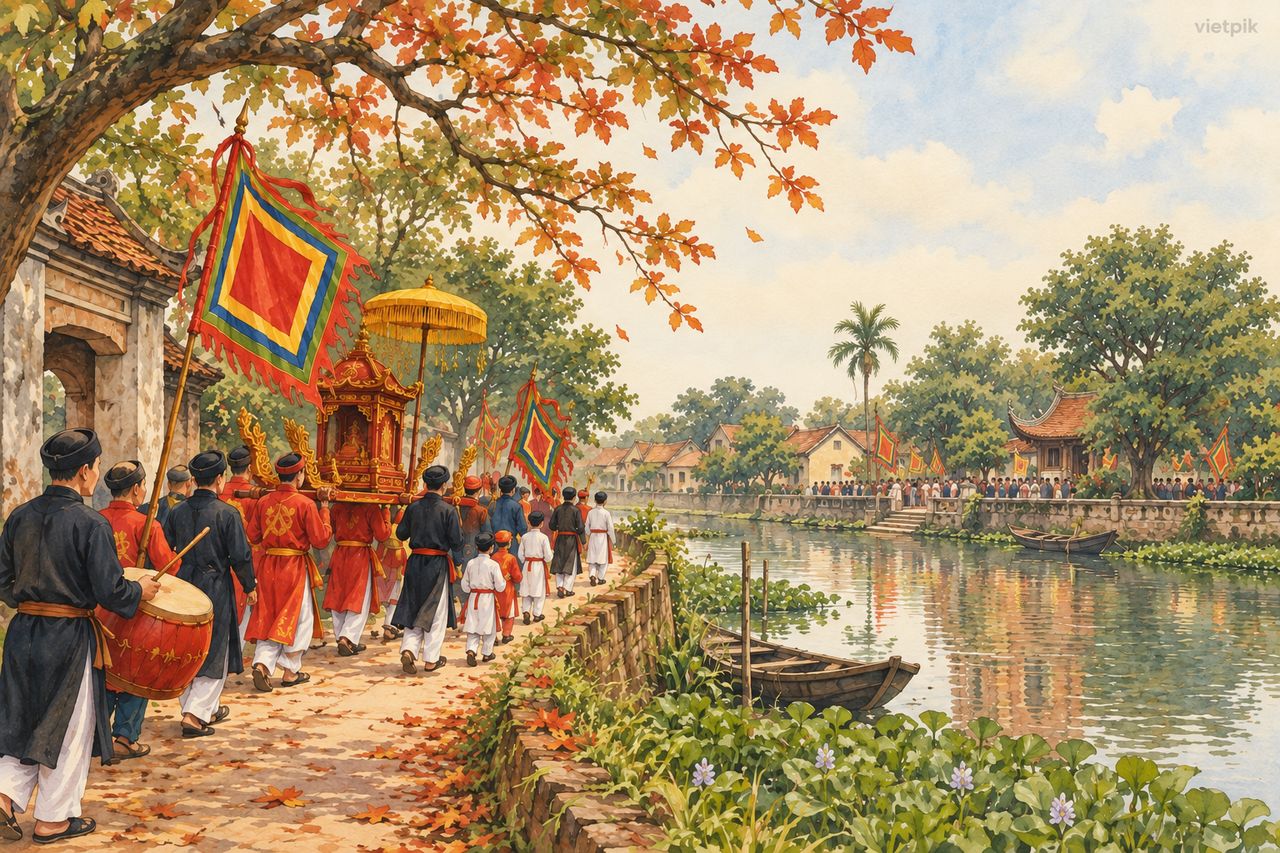
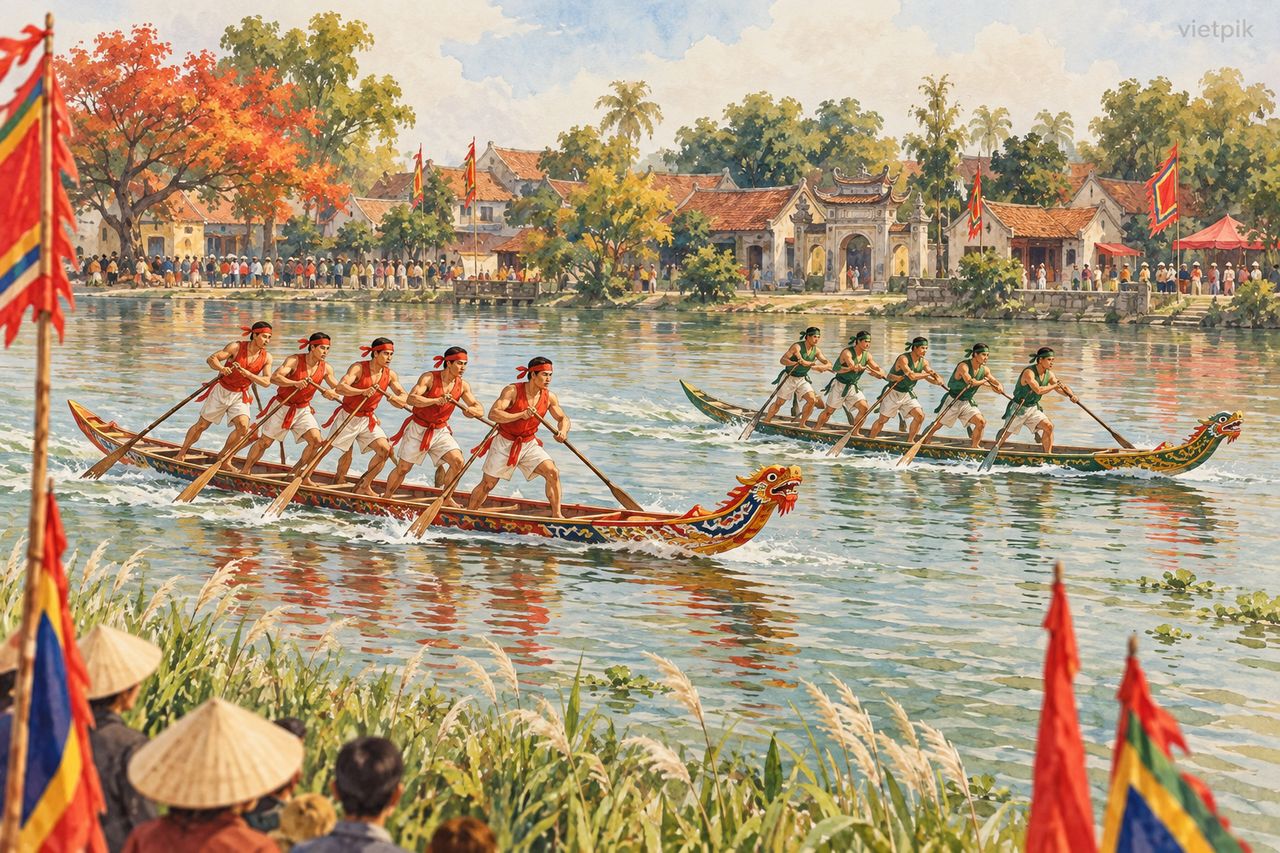
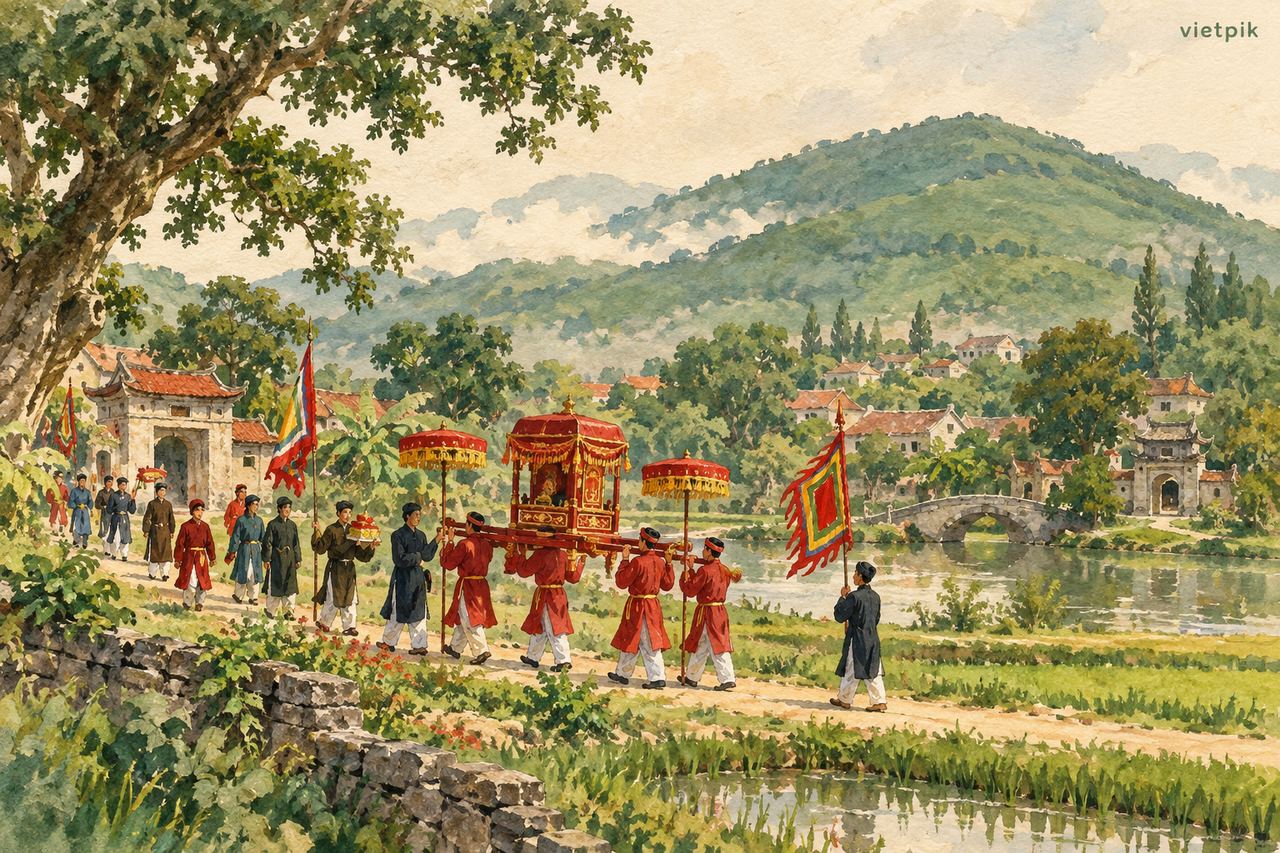
The 2026 programme included the Ngoc Lo palanquin procession and water-and-fish rites before the central seal opening. These provide context for understanding the festival as a sequence rather than one isolated midnight event. For a visitor more interested in culture than the densest crowd, an earlier publicly accessible activity may be a better focus, if it is included in the next programme. Learn its name and purpose from local interpretation. Do not invent a symbolic meaning for every object you see. A careful question about why a procession follows a particular route is more useful than a confident but unsupported explanation.
5. Read the seal through an ethical message
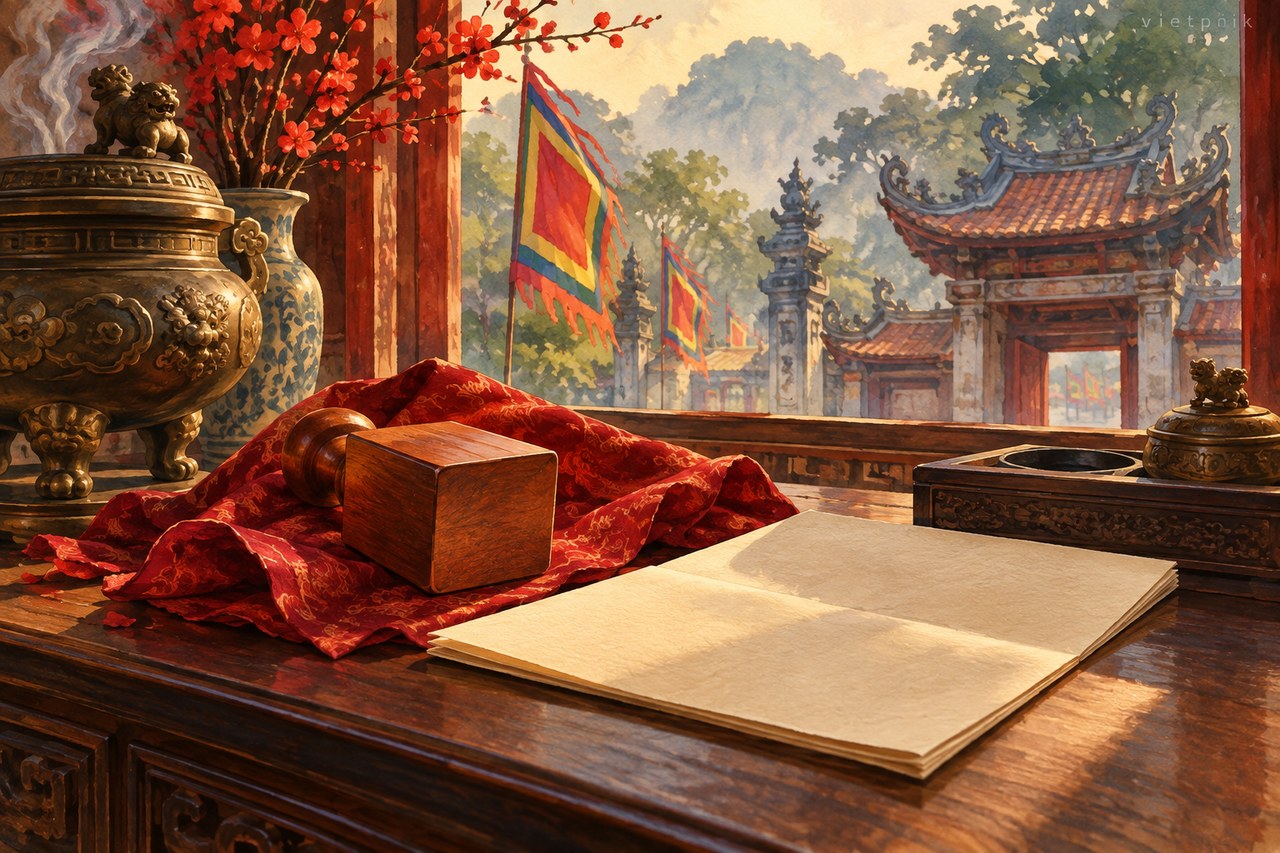
Accounts of the festival explain the seal in connection with cultivating virtue and seeking well-being, not as a guaranteed route to promotion or wealth. That distinction is worth retaining in a travel guide. People may bring individual hopes to a religious occasion, but an editorial description should not advertise a supernatural result or rank different seals by supposed effectiveness. If you choose to receive one through the authorised arrangement, understand it within the commemorative setting. The symbolic still life in this guide deliberately shows blank paper and a generic seal block, avoiding an invented inscription that might be mistaken for an authentic temple imprint.
6. Plan the exit as carefully as the arrival
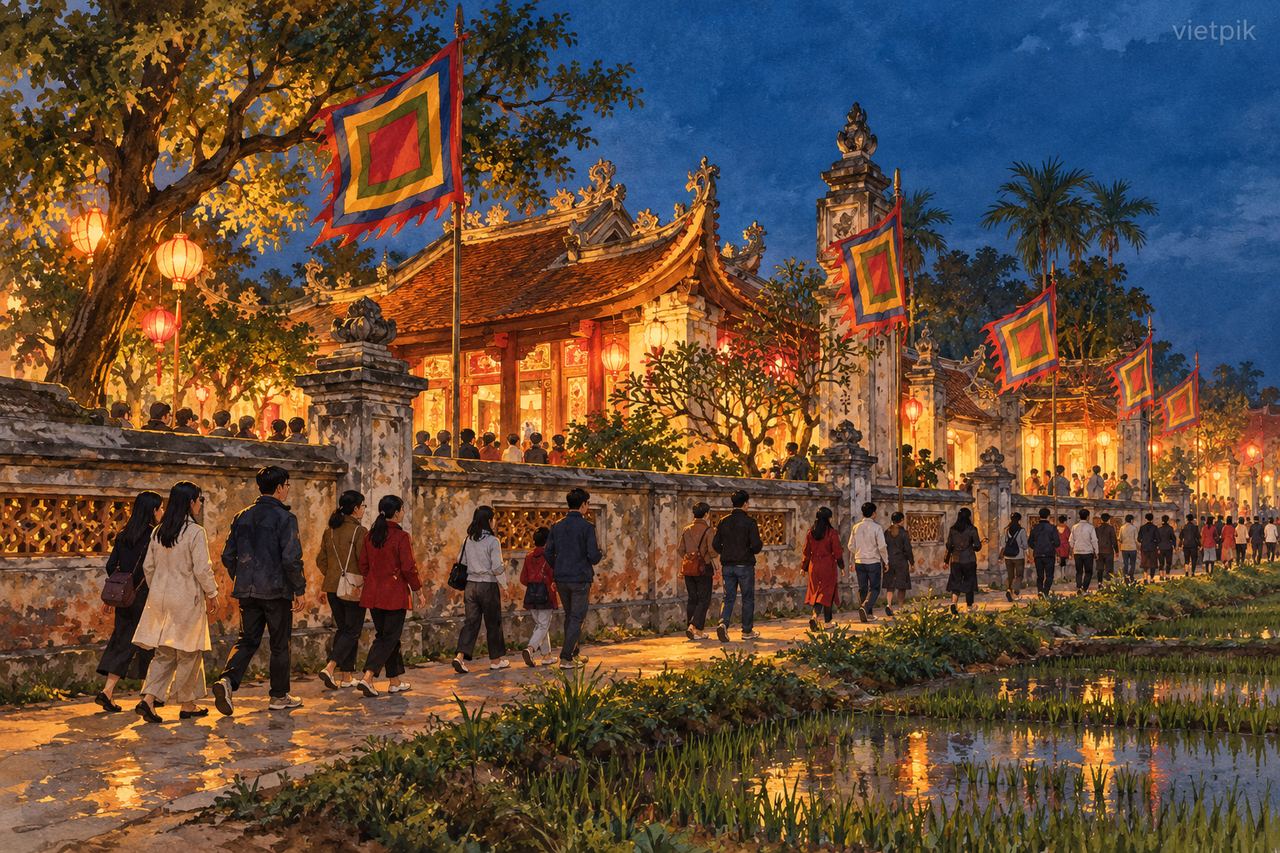
A night visit requires more than knowing the ceremony time. Agree on a meeting point outside the main flow, establish how the group will leave and check whether road restrictions affect the planned pickup. Do not make a child or an older relative remain in a dense queue merely to protect a group's position. Carry essentials in a compact bag and keep enough flexibility to step away if the area becomes uncomfortable. This article supplies no unverified parking prices, opening hours or transport promises. Those arrangements should come from current notices and the service you actually choose, not an old festival photograph.
7. A quieter visit can still be complete
If the central night does not suit your group, consider a separately verified opportunity to visit the historical site. Be honest that such a visit is different from witnessing the seal-opening rite, while recognising that it may allow more attention to the temple's interpretation. When sharing the experience, name the activity you actually attended rather than using khai an for every visit in spring.